Overview:
The Everest Base Camp Luxury Trek offers a blend of adventure and comfort amidst the world's highest peaks. This trek is designed for those seeking a premium trekking experience in the iconic Everest region of Nepal.
Starting from the bustling town of Lukla, the trek follows the legendary trail to Everest Base Camp, passing through picturesque Sherpa villages like Namche Bazaar, Tengboche, and Dingboche. These villages are nestled in the foothills of towering Himalayan peaks and offer a glimpse into the rich Sherpa culture and traditions.
Unlike traditional treks, the Everest Base Camp Luxury Trek provides accommodation in luxury lodges along the way. These lodges offer spacious rooms with comfortable beds, hot showers, and modern amenities such as WiFi and heated dining areas. Enjoying panoramic views of the mountains from the comfort of your lodge adds a touch of luxury to your trekking experience.
The trek also includes gourmet meals prepared by experienced chefs, featuring a variety of international and local dishes. From hearty breakfasts to multi-course dinners, the meals are designed to satisfy and energize trekkers after a day on the trail.
Throughout the trek, expert guides provide insightful commentary on the local culture, geography, and wildlife of the Everest region. They ensure a safe and enjoyable trekking experience while catering to individual preferences and interests.
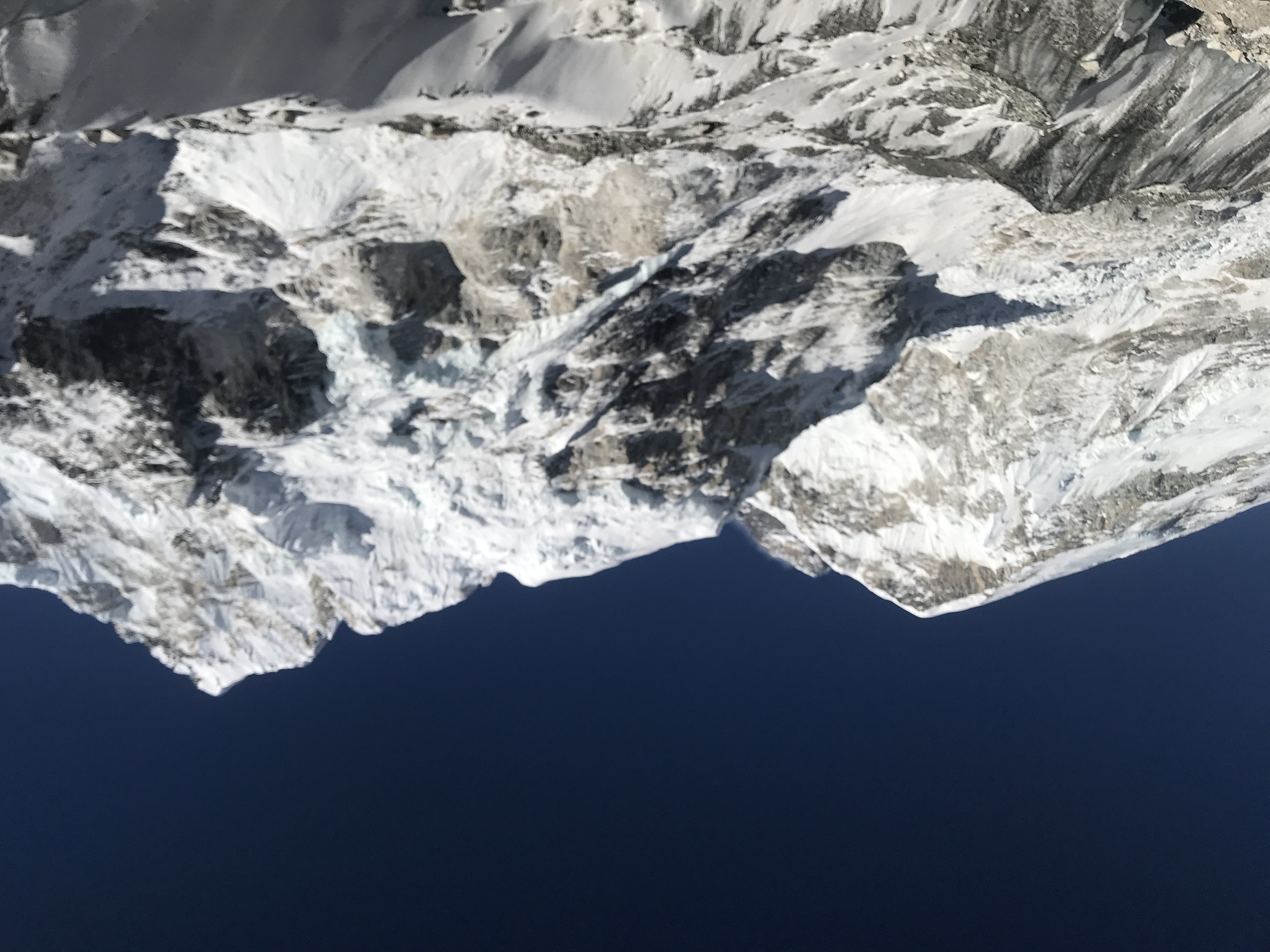
One of the highlights of the Everest Base Camp Luxury Trek is reaching Everest Base Camp itself, located at an altitude of 5,364 meters (17,598 feet). Standing at the base of the world's highest peak, Mount Everest, is a humbling and awe-inspiring experience. Trekkers can also opt to hike to Kala Patthar, a nearby vantage point renowned for its panoramic views of Mount Everest, Lhotse, and Nuptse.
The trek concludes with a scenic flight back to Kathmandu from Lukla, offering a final glimpse of the majestic Himalayan landscape. The Everest Base Camp Luxury Trek is ideal for those looking to explore the Everest region in style, without compromising on comfort and luxury.
Everest Base Camp Luxury Trek Highlights:
1. Spectacular views of Mount Everest (5,364 meters / 17,598 feet) and other Himalayan peaks
2. Comfortable accommodations with hot showers and Wi-Fi
3. Gourmet meals and cozy lounges with panoramic mountain views
4. Explore Sherpa villages and monasteries
4. Experience Tibetan Buddhist culture and traditions
Important Note:
Best Time to Visit: March-May and September-November
Max Altitude: Everest Base Camp (5,364 meters / 17,598 feet)
Accommodation: Luxury lodges and hotels along the route
Permit Required: Sagarmatha National Park Permit, TIMS card
Everest Base Camp Luxury Trek Itinerary:
Day 1: Arrival in Kathmandu (1,300m)
Upon arrival at Tribhuvan International Airport, you will be greeted by our representative and transferred to your luxury hotel in Kathmandu. Depending on your arrival time, you can explore the vibrant streets of Thamel or relax at the hotel.
Day 2: Flight from Kathmandu/Ramechhap to Lukla (2,840m) and Trek to Phakding (2,600m)
After an early morning scenic flight to Lukla, one of the world's most thrilling airstrips, you will begin your trek to Phakding. The trail descends through picturesque landscapes alongside the Dudh Koshi River, with views of distant Himalayan peaks.
Day 3: Trek from Phakding to Namche Bazaar (3,440m)
Continue trekking along the Dudh Koshi River, crossing suspension bridges adorned with prayer flags. Arrive at Namche Bazaar, the bustling heart of the Khumbu region, where you can enjoy stunning views of Everest and neighboring peaks.
Day 4: Rest Day at Namche Bazaar (3,440m) for Acclimatization
Today is reserved for acclimatization in Namche Bazaar. You can hike to Everest View Hotel for panoramic views of Everest, Lhotse, Ama Dablam, and other peaks, or explore the vibrant local market and museums showcasing Sherpa culture.
Day 5: Trek from Namche Bazaar (3,440m) to Tengboche (3,720m)
Trek through rhododendron forests with spectacular views of Everest looming in the background. Visit Tengboche Monastery, one of the largest and most significant monasteries in the region, with awe-inspiring views of Everest, Nuptse, and Ama Dablam.
Day 6: Trek from Tengboche (3,720m) to Dingboche (4,412m)
Descend through forests and cross the Imja River before ascending to Dingboche, a picturesque village nestled beneath the towering peaks of Thamserku and Kangtega.
Day 7: Rest Day at Dingboche (4,412m) for Acclimatization
Another day for acclimatization in Dingboche. You can hike to Nagarjun Hill for panoramic views of Makalu, Lhotse, Cholatse, Tawache, and Ama Dablam, or relax and explore the local Sherpa culture and hospitality.
Day 8: Trek from Dingboche (4,412m) to Lobuche (4,910m)
Ascend through the moraine of the Khumbu Glacier, passing memorials to climbers who lost their lives on Everest. Enjoy stunning views of Pumori and other peaks along the trail.
Day 9: Trek from Lobuche (4,910m) to Everest Base Camp (5,364m) and Return to Gorakshep (5,140m)
Today's highlight is reaching Everest Base Camp, the ultimate destination for climbers preparing for their summit attempts. Take in the breathtaking views of the Khumbu Icefall and surrounding peaks before descending to Gorakshep for the night.
Day 10: Hike to Kala Patthar (5,645m) and Trek from Gorakshep (5,140m) to Pheriche (4,371m)
Early morning hike to Kala Patthar for panoramic sunrise views over Everest, Lhotse, and Nuptse. Descend to Gorakshep for breakfast and continue trekking to Pheriche, passing through Lobuche again.
Day 11: Trek from Pheriche (4,371m) to Namche Bazaar (3,440m)
Descend through Pangboche village with its ancient monastery and continue to Tengboche. From Tengboche, descend to Phunki Thenga and finally reach Namche Bazaar.
Day 12: Trek from Namche Bazaar (3,440m) to Lukla (2,840m)
Retrace your steps back to Lukla, enjoying the last views of the Everest region. Celebrate the completion of your trek with your team and local Sherpas.
Day 13: Fly Back from Lukla to Kathmandu/Ramechhap
Take a scenic flight back to Kathmandu or Ramechhap, depending on flight schedules and weather conditions. Upon arrival, transfer to your hotel in Kathmandu.
Day 14: Final Departure
After breakfast, transfer to Tribhuvan International Airport for your onward journey. Reflect on your incredible journey to Everest Base Camp and the memories created amidst the world's highest peaks.
Inclusions
Airport transfers in Kathmandu and Lukla
Luxury hotel accommodation in Kathmandu (pre-trek and post-trek) and standard teahouse accommodation during the trek
All meals (breakfast, lunch, dinner) during the trek
Domestic flights (Kathmandu/Ramechhap to Lukla and return)
Experienced trekking guide and porter(s)
Sagarmatha National Park entry permit and TIMS card
Trekking equipment (sleeping bag, down jacket, etc. on request)
Exclusions
International airfare
Nepal visa fees
Travel insurance (mandatory)
Meals in Kathmandu (except breakfast) and during flights
Personal expenses (e.g., laundry, phone calls, internet)
Tips for guide(s) and porter(s)