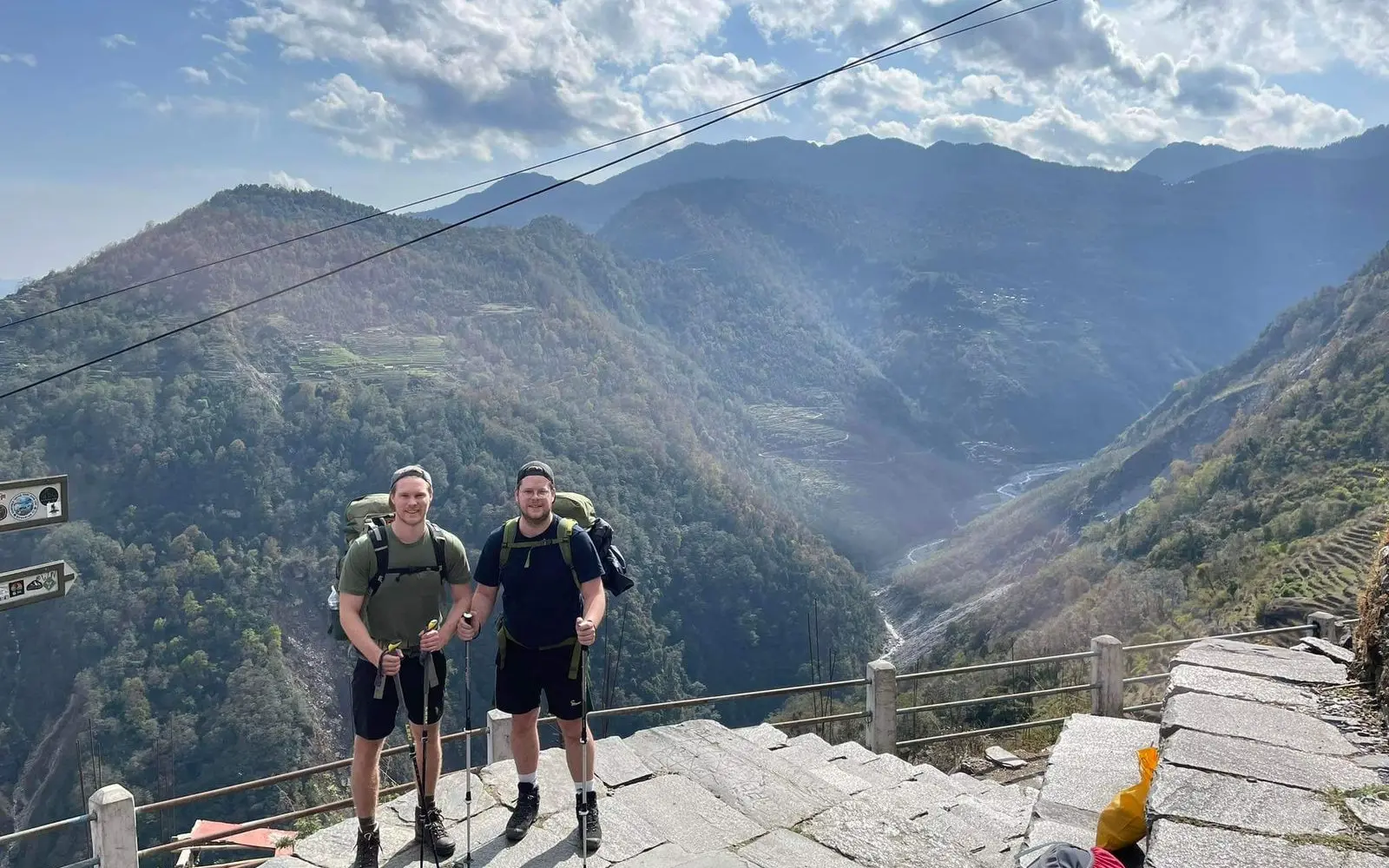
Nepal is one of the world's most celebrated trekking destinations, offering breathtaking Himalayan landscapes, diverse cultures, and unforgettable adventures. From the legendary Everest Base Camp Trek to the scenic Annapurna region, every trail presents unique experiences throughout the year. Understanding Nepal's trekking seasons is essential for choosing the right time to visit and making the most of your journey.
At Ram Himalayan Trek, we help trekkers plan their adventures according to seasonal weather patterns, trail conditions, and personal preferences. Whether you seek clear mountain views, blooming rhododendron forests, or quieter trails, Nepal offers something special in every season.
Key Highlights:
- Four distinct trekking seasons throughout the year
- Different weather and trail conditions in each season
- Seasonal opportunities for photography and cultural experiences
- Trek options available for beginners and experienced trekkers
- Expert guidance from Ram Himalayan Trek
Introduction
Trekking in Nepal is more than just a mountain adventure; it is an opportunity to explore diverse landscapes, traditional villages, and some of the highest peaks on Earth. Every season brings its own beauty, challenges, and rewards, making Nepal a year-round trekking destination.
Choosing the right season can greatly influence your trekking experience. Factors such as weather, visibility, temperature, and crowd levels vary throughout the year. Ram Himalayan Trek provides valuable local knowledge and personalized trekking plans to help travelers select the ideal season for their Himalayan adventure.
What You Will Learn:
- The best trekking seasons in Nepal
- Weather expectations throughout the year
- Advantages and challenges of each season
- Popular trekking routes for different times of the year
- Tips for planning a successful trek
Why Trekking Seasons Matter in Nepal
Nepal's geography ranges from lowland plains to towering Himalayan peaks, creating significant seasonal variations across the country. Weather conditions can affect trail accessibility, mountain visibility, accommodation availability, and overall trekking comfort. Understanding these seasonal changes helps trekkers prepare properly and enjoy safer journeys.
Different seasons suit different travel goals. Some trekkers prioritize clear mountain panoramas, while others prefer fewer crowds or unique cultural experiences. At Ram Himalayan Trek, we emphasize selecting the season that best matches your trekking objectives, fitness level, and preferred trekking style.
Reasons Seasons Matter:
- Weather impacts trail safety and accessibility
- Mountain views vary throughout the year
- Temperatures differ significantly by season
- Crowd levels affect the trekking experience
- Seasonal festivals enhance cultural exploration
- Proper timing improves overall trek enjoyment
Overview of Nepal’s Four Trekking Seasons
Nepal experiences four primary trekking seasons: Spring, Summer/Monsoon, Autumn, and Winter. Each season offers distinct scenery, weather patterns, and trekking opportunities. While Spring and Autumn are generally considered the most popular periods, Winter and Monsoon also provide unique experiences for adventurous travelers.
Ram Himalayan Trek organizes treks throughout all four seasons, helping trekkers select routes that match seasonal conditions. Whether you want colorful spring blooms, crystal-clear autumn skies, peaceful winter trails, or lush monsoon landscapes, there is a suitable trekking adventure waiting in Nepal.
Nepal's Four Trekking Seasons:
Spring (March to May)
- Mild temperatures and stable weather
- Blooming rhododendron forests
- Excellent mountain visibility
- Popular trekking season
Summer/Monsoon (June to August)
- Frequent rainfall and lush greenery
- Fewer trekkers on the trails
- Best for rain-shadow regions
- Rich natural scenery
Autumn (September to November)
- Clear skies and spectacular mountain views
- Comfortable trekking temperatures
- Peak trekking season in Nepal
- Ideal for major trekking routes
Winter (December to February)
- Cold temperatures at higher elevations
- Quiet and less crowded trails
- Clear views on many days
- Suitable for lower-altitude treks
Spring Trekking in Nepal (March–May)
Spring is widely regarded as one of the best trekking seasons in Nepal. From March to May, the weather becomes warmer, the skies are generally clear, and the hillsides burst into color with blooming rhododendron forests. This season attracts trekkers from around the world who want to experience Nepal's stunning mountain scenery under favorable conditions.
At Ram Himalayan Trek, spring is one of the most recommended times for exploring famous trekking routes such as Everest Base Camp, Annapurna Base Camp, and the Langtang Valley. The combination of pleasant temperatures, vibrant landscapes, and excellent visibility creates ideal conditions for both beginner and experienced trekkers.
Spring Season Highlights:
- Warm and comfortable temperatures
- Colorful rhododendron blooms
- Clear views of Himalayan peaks
- Excellent trekking conditions
- Popular season for photography
Weather and Trail Conditions
During spring, daytime temperatures are generally mild at lower and mid-altitude trekking regions, while higher elevations remain cool and comfortable. The weather is typically stable, allowing trekkers to enjoy long hiking days with minimal weather-related disruptions.
Trail conditions are usually dry and well-maintained after the winter season. The clear skies provide outstanding mountain visibility, making spring an excellent time for panoramic views of Nepal's snow-capped peaks. Ram Himalayan Trek carefully monitors weather forecasts to ensure safe and enjoyable trekking experiences throughout the season.
Weather and Trail Features:
- Stable weather patterns
- Dry and accessible trails
- Clear mountain views
- Comfortable daytime temperatures
- Lower risk of weather delays
Popular Spring Treks
Many of Nepal's most famous trekking routes are particularly beautiful during spring. The Everest Base Camp Trek offers spectacular mountain views, while the Annapurna region showcases colorful forests and diverse landscapes. The Langtang Valley Trek also becomes especially attractive as flowers bloom throughout the hillsides.
Ram Himalayan Trek organizes a variety of spring trekking packages tailored to different fitness levels and travel preferences. Whether you seek a challenging high-altitude adventure or a moderate cultural trek, spring provides ideal conditions for exploring Nepal's Himalayan wonders.
Popular Spring Trekking Routes:
- Everest Base Camp Trek
- Annapurna Base Camp Trek
- Annapurna Circuit Trek
- Langtang Valley Trek
- Mardi Himal Trek
- Manaslu Circuit Trek
What to Expect During Spring
Trekkers visiting Nepal during spring can expect lively trekking trails, welcoming teahouses, and breathtaking natural beauty. Since spring is a peak trekking season, popular routes may be busier than at other times of the year, creating a vibrant atmosphere among trekkers from around the world.
The season also offers excellent opportunities for photography, wildlife observation, and cultural interaction with local communities. At Ram Himalayan Trek, we recommend booking trekking permits, guides, and accommodations in advance to secure the best experience during this busy season.
What Trekkers Can Expect:
- Busy but enjoyable trekking routes
- Beautiful flowering landscapes
- Excellent photography opportunities
- Comfortable trekking temperatures
- Active trekking community atmosphere
Summer/Monsoon Trekking in Nepal (June–August)
Summer in Nepal coincides with the monsoon season, which typically lasts from June through August. During this period, much of the country receives regular rainfall, transforming the hills and valleys into lush green landscapes. Although it is considered an off-season for many trekking routes, adventurous travelers can still enjoy rewarding experiences.
Ram Himalayan Trek offers carefully selected monsoon trekking options that avoid areas heavily affected by rainfall. Trekkers who choose this season often enjoy quieter trails, unique scenery, and a more peaceful trekking experience compared to the crowded peak seasons.
Summer/Monsoon Highlights:
- Lush green landscapes
- Fewer trekkers on trails
- Unique natural beauty
- Rich agricultural scenery
- Peaceful trekking atmosphere
Climate and Rainfall Patterns
The monsoon season brings warm temperatures and frequent rainfall throughout much of Nepal. Rain showers are often heavier during the afternoon and evening, while mornings can still provide relatively clear conditions for trekking.
Humidity levels increase during this period, and cloud cover may occasionally limit mountain visibility. However, the rain also refreshes forests, rivers, and waterfalls, creating vibrant and dramatic scenery. Ram Himalayan Trek helps trekkers choose suitable routes and schedules that maximize comfort during the monsoon season.
Climate Characteristics:
- Frequent rainfall
- Warm temperatures
- Increased humidity
- Green and vibrant landscapes
- Occasional cloud-covered mountain views
Advantages and Challenges
Monsoon trekking offers several unique advantages. Trails are generally less crowded, accommodation is easier to find, and the countryside appears exceptionally green and beautiful. Travelers seeking solitude often appreciate the quieter environment during this season.
However, trekkers should also be prepared for certain challenges. Rain can create muddy trails, slippery sections, and occasional transportation delays. Proper rain gear and flexible travel plans are essential. Ram Himalayan Trek provides expert guidance and support to help trekkers safely navigate monsoon conditions.
Advantages:
- Fewer crowds
- Lower tourism pressure
- Lush natural scenery
- Peaceful trekking experience
- Better accommodation availability
Challenges:
- Wet and muddy trails
- Reduced mountain visibility
- Higher humidity
- Potential travel delays
- Increased need for rain protection
Best Monsoon Trekking Regions
Not all trekking regions are equally affected by monsoon rainfall. Areas located in Nepal's rain-shadow regions receive significantly less precipitation, making them excellent choices for summer trekking. These destinations offer relatively dry conditions and impressive Himalayan landscapes even during the monsoon season.
Ram Himalayan Trek highly recommends Upper Mustang, Upper Dolpo, and parts of the Annapurna rain-shadow region for monsoon adventures. These unique destinations provide exceptional cultural experiences, dramatic landscapes, and reliable trekking conditions during the summer months.
Best Monsoon Trekking Regions:
- Upper Mustang Trek
- Upper Dolpo Trek
- Nar Phu Valley Trek
- Jomsom and Muktinath Region
- Annapurna Rain-Shadow Areas
- Lo Manthang Cultural Trek
Autumn Trekking in Nepal (September–November)
Autumn is widely recognized as the best trekking season in Nepal. Following the monsoon rains, the atmosphere becomes fresh and clear, offering some of the most spectacular mountain views of the year. From September to November, trekkers enjoy stable weather, comfortable temperatures, and excellent trail conditions throughout the Himalayas.
At Ram Himalayan Trek, autumn is the most requested season for trekking adventures. The combination of crystal-clear skies, colorful landscapes, and major Nepalese festivals creates a perfect environment for both first-time visitors and experienced trekkers. Many of Nepal's most iconic trekking routes reach their peak beauty during this period.
Autumn Season Highlights:
- Clear mountain views
- Stable and dry weather
- Comfortable trekking temperatures
- Peak trekking season in Nepal
- Ideal for photography and sightseeing
Why Autumn is the Most Popular Trekking Season
The popularity of autumn trekking comes largely from its reliable weather conditions. After the monsoon season ends, dust and pollution are washed away, leaving exceptionally clear skies and outstanding visibility. Trekkers can enjoy uninterrupted views of Nepal's towering Himalayan peaks throughout most days.
Another reason autumn attracts thousands of visitors is the festive atmosphere across Nepal. Important celebrations such as Dashain and Tihar occur during this season, allowing travelers to experience local traditions, cultural events, and community celebrations alongside their trekking adventures. Ram Himalayan Trek often helps trekkers combine cultural experiences with their Himalayan journeys.
Reasons for Autumn's Popularity:
- Excellent mountain visibility
- Low rainfall and stable weather
- Major cultural festivals
- Comfortable trekking conditions
- Wide range of available trekking routes
Visibility, Temperature, and Trail Conditions
Autumn offers some of the best visibility of the entire year. The skies are typically clear, providing breathtaking panoramic views of mountain ranges including Everest, Annapurna, Manaslu, and Langtang. Sunrise and sunset mountain photography is particularly rewarding during this season.
Temperatures remain pleasant across most trekking regions. Lower elevations enjoy mild daytime weather, while higher altitudes remain cool but manageable. Trails are generally dry, reducing the risk of slippery conditions and making long trekking days more comfortable. Ram Himalayan Trek recommends autumn for trekkers seeking the perfect balance between scenery and trekking comfort.
Trail and Weather Conditions:
- Crystal-clear skies
- Dry and stable trails
- Pleasant daytime temperatures
- Excellent visibility for photography
- Comfortable conditions at most elevations
Top Trekking Routes in Autumn
Almost every trekking destination in Nepal is suitable during the autumn. Popular routes become especially attractive because of the clear weather and reliable trekking conditions. Trekkers can choose from classic Himalayan adventures or less-crowded alternative routes.
Ram Himalayan Trek offers customized autumn trekking packages across Nepal's most famous regions. Whether you want to stand beneath Mount Everest or explore remote mountain valleys, autumn provides ideal conditions for an unforgettable trekking experience.
Top Autumn Trekking Routes:
- Everest Base Camp Trek
- Annapurna Base Camp Trek
- Annapurna Circuit Trek
- Manaslu Circuit Trek
- Langtang Valley Trek
- Mardi Himal Trek
- Gokyo Lakes Trek
- Upper Mustang Trek
Winter Trekking in Nepal (December–February)
Winter transforms Nepal's mountains into a peaceful and less crowded trekking destination. From December through February, temperatures drop significantly at higher elevations, but many trekking routes remain accessible and rewarding for prepared travelers.
At Ram Himalayan Trek, winter is often recommended for trekkers seeking quieter trails and unique Himalayan experiences. While some high mountain passes may be affected by snowfall, many lower and moderate-altitude treks offer excellent trekking opportunities with stunning winter scenery.
Winter Season Highlights:
- Fewer trekkers on the trails
- Clear mountain views
- Peaceful trekking experience
- Snow-covered landscapes
- Excellent opportunities for solitude
Weather Conditions at Different Altitudes
Winter weather varies considerably depending on altitude. Lower trekking regions generally experience cool but comfortable daytime temperatures. Villages and trails below 3,000 meters often remain accessible and enjoyable throughout the season.
At higher elevations, temperatures can drop well below freezing, particularly during the night. Snowfall becomes more common, and certain mountain passes may become difficult to cross. Ram Himalayan Trek carefully evaluates route conditions and recommends appropriate itineraries based on seasonal weather patterns.
Winter Weather Overview:
- Cold mornings and evenings
- Freezing temperatures at higher elevations
- Possible snowfall on mountain passes
- Generally clear skies
- Reduced rainfall compared to other seasons
Benefits of Winter Trekking
One of the biggest advantages of winter trekking is the absence of large crowds. Popular trails that are busy during spring and autumn become much quieter, allowing trekkers to enjoy a more peaceful and personal connection with nature.
Winter also provides exceptional mountain visibility on many days. The cold, dry air often creates remarkably sharp views of snow-covered peaks. Ram Himalayan Trek helps travelers prepare properly for colder conditions so they can safely enjoy the unique beauty of Nepal's winter landscapes.
Benefits of Winter Trekking:
- Quiet trekking routes
- Clear mountain panoramas
- Easier accommodation availability
- Unique snow-covered scenery
- Authentic local experiences
Recommended Winter Treks
Although some high-altitude routes become challenging in winter, many excellent trekking destinations remain suitable. Lower-altitude trails and shorter Himalayan treks are particularly popular during this season.
Ram Himalayan Trek recommends winter-friendly routes that offer spectacular scenery while avoiding extreme weather conditions. These treks provide excellent alternatives for travelers visiting Nepal during the colder months.
Recommended Winter Treks:
- Ghorepani Poon Hill Trek
- Mardi Himal Trek
- Langtang Valley Trek
- Helambu Trek
- Everest View Trek
- Annapurna Base Camp Trek
- Nagarkot Hiking Trails
- Lower Mustang Trek
Month-by-Month Trekking Guide for Nepal
Nepal offers trekking opportunities throughout the year, but each month presents different weather conditions and trekking experiences. Understanding monthly variations helps trekkers choose the ideal time for their preferred route and adventure style.
At Ram Himalayan Trek, we assist travelers in selecting the best trekking season based on their interests, fitness level, and travel schedule. Careful planning ensures a more enjoyable and successful Himalayan journey.
January
- Cold temperatures
- Quiet trails
- Best for lower-altitude treks
February
- Slightly warmer conditions
- Early spring flowers begin appearing
- Good visibility
March
- Start of spring trekking season
- Rhododendron blooms begin
- Popular trekking month
April
- Excellent weather and visibility
- Peak spring trekking season
- Colorful mountain landscapes
May
- Warm temperatures
- Great mountain views
- Busy trekking routes
June
- Beginning of monsoon season
- Increasing rainfall
- Lush green scenery
July
- Peak monsoon period
- Fewer trekkers
- Suitable for rain-shadow regions
August
- Continued monsoon conditions
- Green landscapes and waterfalls
- Good for Upper Mustang treks
September
- End of monsoon season
- Improving visibility
- Start of autumn trekking
October
- Best trekking month in Nepal
- Clear skies and stable weather
- Peak trekking season
November
- Excellent mountain views
- Pleasant temperatures
- Ideal trekking conditions
December
- Beginning of winter
- Clear skies and fewer crowds
- Good for moderate-altitude treks
Best Trekking Season for Popular Trekking Routes
Nepal's famous trekking routes can be explored throughout much of the year, but certain seasons offer more favorable conditions depending on the destination. Factors such as weather, trail accessibility, temperature, and mountain visibility play important roles when choosing the best trekking season for a specific route.
At Ram Himalayan Trek, we help trekkers select the ideal season based on their preferred trekking destination and travel goals. While spring and autumn remain the most popular trekking periods, some routes also offer rewarding experiences during winter and monsoon months.
Factors to Consider:
- Weather and temperature
- Mountain visibility
- Trail conditions
- Crowd levels
- Seasonal scenery
- Trekking difficulty
Everest Base Camp Trek
The Everest Base Camp Trek is one of Nepal's most iconic adventures and is best enjoyed during spring (March to May) and autumn (September to November). During these seasons, trekkers benefit from clear skies, stable weather, and spectacular views of Mount Everest and surrounding peaks.
Spring brings blooming rhododendrons and moderate temperatures, while autumn offers exceptionally clear mountain vistas after the monsoon season. Ram Himalayan Trek recommends these seasons for the safest and most rewarding Everest Base Camp experience.
Best Season:
- Spring (March–May)
- Autumn (September–November)
Why Trek During These Seasons:
- Clear views of Mount Everest
- Stable weather conditions
- Comfortable daytime temperatures
- Better flight reliability to Lukla
- Excellent photography opportunities
Annapurna Circuit Trek
The Annapurna Circuit Trek passes through diverse landscapes, ranging from subtropical forests to high mountain deserts. Autumn and spring provide the best conditions for crossing the famous Thorong La Pass and enjoying panoramic Himalayan scenery.
The dry weather and moderate temperatures during these seasons make trekking safer and more comfortable. Ram Himalayan Trek often recommends autumn for trekkers seeking crystal-clear views and stable trail conditions throughout the Annapurna region.
Best Season:
- Spring (March–May)
- Autumn (September–November)
Advantages:
- Safe high-pass crossings
- Excellent mountain visibility
- Comfortable trekking temperatures
- Diverse seasonal landscapes
- Reliable accommodation availability
Annapurna Base Camp Trek
The Annapurna Base Camp Trek is one of Nepal's most scenic routes and is particularly beautiful during spring. Colorful rhododendron forests line the trails, while clear skies reveal stunning views of Annapurna, Machapuchare, and surrounding peaks.
Autumn is equally popular due to its stable weather and excellent visibility. Ram Himalayan Trek organizes Annapurna Base Camp treks year-round, but spring and autumn consistently provide the best overall trekking experience.
Best Season:
- Spring (March–May)
- Autumn (September–November)
Highlights:
- Spectacular mountain amphitheater
- Blooming forests in spring
- Dry trails in autumn
- Comfortable weather conditions
- Great sunrise and sunset views
Langtang Valley Trek
The Langtang Valley Trek is known for its rich culture, alpine landscapes, and proximity to Kathmandu. Spring and autumn offer ideal trekking conditions with mild temperatures and clear views of the Langtang Himalayan range.
Spring transforms the region with colorful flowers and active wildlife, while autumn provides exceptional visibility and stable weather. Ram Himalayan Trek recommends Langtang as an excellent alternative to the busier Everest and Annapurna regions.
Best Season:
- Spring (March–May)
- Autumn (September–November)
Key Attractions:
- Beautiful mountain scenery
- Traditional Tamang culture
- Rhododendron forests
- Moderate trekking difficulty
- Less crowded trails
Manaslu Circuit Trek
The Manaslu Circuit Trek is one of Nepal's premier off-the-beaten-path adventures. Due to its high-altitude terrain and remote location, autumn is often considered the best season for completing the circuit safely and comfortably.
Spring is also an excellent choice, offering favorable weather and blooming mountain landscapes. Ram Himalayan Trek specializes in guided Manaslu treks, helping travelers navigate this spectacular restricted region during the most suitable seasons.
Best Season:
- Autumn (September–November)
- Spring (March–May)
Reasons to Trek in These Seasons:
- Stable mountain weather
- Better Larkya La Pass conditions
- Clear Himalayan views
- Comfortable trekking temperatures
- Improved trail accessibility
What to Pack for Each Trekking Season
Packing appropriately for Nepal's trekking seasons is essential for comfort and safety. Weather conditions vary significantly throughout the year, making seasonal preparation an important part of trip planning.
Ram Himalayan Trek provides detailed packing recommendations before every trek. The right clothing and equipment can greatly improve your trekking experience, regardless of the season you choose.
Spring Packing List:
- Lightweight trekking clothes
- Fleece jacket
- Waterproof outer layer
- Sunglasses and sun hat
- Comfortable hiking boots
Summer/Monsoon Packing List:
- Waterproof jacket and pants
- Rain cover for backpack
- Quick-dry clothing
- Waterproof trekking boots
- Insect repellent
Autumn Packing List:
- Layered clothing
- Warm jacket for evenings
- Trekking poles
- Sun protection
- Quality sleeping bag
Winter Packing List:
- Insulated down jacket
- Thermal base layers
- Warm gloves and hat
- Thick socks
- Cold-weather sleeping bag
Seasonal Wildlife, Landscapes, and Cultural Experiences
Each trekking season in Nepal offers unique opportunities to experience wildlife, natural beauty, and local culture. Spring is famous for blooming rhododendron forests and active birdlife, while monsoon transforms valleys into lush green landscapes filled with waterfalls and vibrant vegetation.
Autumn showcases crystal-clear mountain scenery and major Nepalese festivals, including Dashain and Tihar. Winter offers peaceful villages, snow-covered landscapes, and opportunities to experience authentic mountain life away from large tourist crowds. Ram Himalayan Trek encourages travelers to explore not only Nepal's mountains but also its rich natural and cultural heritage.
Seasonal Experiences:
Spring
- Rhododendron blooms
- Birdwatching opportunities
- Mild weather
- Colorful mountain landscapes
Summer/Monsoon
- Green valleys and forests
- Flowing waterfalls
- Agricultural activities
- Fewer tourists
Autumn
- Dashain and Tihar festivals
- Clear mountain views
- Harvest season scenery
- Vibrant cultural celebrations
Winter
- Snow-covered landscapes
- Quiet trekking trails
- Traditional village life
- Peaceful mountain atmosphere
Why Seasonal Experiences Matter:
- Enhance overall trekking adventure
- Provide unique photography opportunities
- Offer cultural immersion experiences
- Showcase Nepal's biodiversity
- Create memorable travel experiences
How to Choose the Right Trekking Season for Your Travel Style
Choosing the right trekking season in Nepal depends on your travel preferences, fitness level, desired scenery, and tolerance for weather conditions. While spring and autumn are generally considered the best seasons for trekking, each season offers unique experiences that appeal to different types of travelers.
At Ram Himalayan Trek, we help trekkers select the ideal time to visit based on their personal goals. Some travelers prioritize clear mountain views, while others seek quieter trails, cultural experiences, or lower travel costs. Understanding what each season offers can help you make the best decision for your Himalayan adventure.
If you enjoy vibrant landscapes, blooming flowers, and moderate temperatures, spring may be the perfect choice. For those seeking crystal-clear mountain panoramas and stable weather, autumn remains the most popular option. Winter attracts trekkers who prefer peaceful trails, while monsoon season appeals to adventurous travelers looking for lush scenery and fewer crowds.
Choose Spring If You Want:
- Colorful rhododendron blooms
- Mild temperatures
- Active wildlife
- Scenic mountain photography
Choose Summer/Monsoon If You Want:
- Quiet trekking routes
- Green landscapes
- Unique cultural experiences
- Off-season travel benefits
Choose Autumn If You Want:
- Clear mountain views
- Stable weather
- Festival experiences
- Classic trekking conditions
Choose Winter If You Want:
- Fewer crowds
- Snow-covered scenery
- Peaceful trekking atmosphere
- Lower-altitude trekking adventures
Tips for Safe and Comfortable Trekking Year-Round
Regardless of the season, proper preparation is essential for a safe and enjoyable trekking experience in Nepal. Weather conditions can change rapidly in mountainous regions, making flexibility and preparedness important throughout the year.
Ram Himalayan Trek strongly recommends trekking with experienced guides who understand local weather patterns, trail conditions, and altitude-related challenges. Proper equipment, adequate acclimatization, and realistic daily trekking schedules contribute significantly to a successful journey.
Staying hydrated, dressing in layers, and monitoring weather forecasts are simple yet effective ways to improve comfort and safety. Trekkers should also purchase comprehensive travel insurance that includes high-altitude trekking coverage and emergency evacuation services.
Essential Safety Tips:
- Trek with licensed guides when possible
- Carry appropriate seasonal clothing
- Stay hydrated throughout the trek
- Allow proper acclimatization time
- Monitor weather conditions regularly
- Purchase travel insurance
- Pack a basic first-aid kit
- Respect local customs and environments
Frequently Asked Questions About Nepal Trekking Seasons
Many travelers planning a Himalayan adventure have questions about Nepal's trekking seasons. Understanding seasonal conditions helps trekkers choose the most suitable time for their trip and prepare effectively for their chosen route.
At Ram Himalayan Trek, we frequently assist travelers with seasonal planning, route selection, and trekking preparation. Below are answers to some of the most common questions about trekking in Nepal.
Is autumn the best trekking season in Nepal?
Autumn is generally considered the best trekking season because it offers clear skies, stable weather, comfortable temperatures, and excellent mountain visibility. It is also the busiest trekking season due to these favorable conditions.
Can I trek in Nepal during the monsoon season?
Yes, trekking is possible during the monsoon season. Certain rain-shadow regions, such as Upper Mustang and Upper Dolpo, remain excellent trekking destinations despite rainfall in other parts of Nepal.
Is winter trekking safe?
Winter trekking can be very rewarding when proper preparation is taken. Lower and moderate-altitude trekking routes remain accessible, although some high passes may become challenging due to snow and cold temperatures.
Which season is best for Everest Base Camp Trek?
Spring and autumn are widely regarded as the best seasons for the Everest Base Camp Trek because of favorable weather, clear mountain views, and reliable trail conditions.
Which season has the fewest crowds?
Winter and monsoon seasons generally attract fewer trekkers, making them ideal for travelers seeking quieter trails and a more peaceful trekking experience.
Quick FAQ Summary:
- Autumn offers the best overall conditions
- Spring provides colorful landscapes
- Monsoon is suitable for selected regions
- Winter offers peaceful trekking experiences
- Route selection should match seasonal conditions
Conclusion: Choosing the Best Time for Your Nepal Trekking Adventure
Nepal is a year-round trekking destination, with each season offering its own distinct beauty and experiences. Whether you prefer spring's blooming forests, autumn's crystal-clear mountain views, winter's peaceful trails, or monsoon's lush green landscapes, there is a perfect trekking season for every traveler.
The key to a successful trekking adventure lies in understanding seasonal conditions and choosing a route that aligns with your interests and expectations. Careful planning allows trekkers to maximize comfort, safety, and enjoyment while exploring Nepal's spectacular Himalayan regions.
At Ram Himalayan Trek, we are committed to helping travelers find the perfect trekking experience regardless of the season. Our experienced team provides expert guidance, customized itineraries, and local knowledge to ensure every trek is memorable, safe, and rewarding.
Final Takeaways:
- Nepal offers trekking opportunities throughout the year
- Spring and autumn are the most popular seasons
- Winter and monsoon provide unique alternatives
- Route selection should match seasonal conditions
- Proper preparation enhances safety and enjoyment
- Ram Himalayan Trek helps create unforgettable Himalayan adventures