Ram Himalayan Trek

Everest Base Camp Short Trek - 8 Days

Duration
8 days
Max. Elevation
3860 m / 12664 ft
Group Size
Min 1+
Level
Moderate
Best season
Mar - May, Sep - Nov
Starts / Ends
Kathmandu / Kathmandu
Accommodation
Hotel in Kathmandu and Tea House / Lodge during the trek
Transportation
Domestic flight and all ground transportation as per itinerary
Meals
Breakfast in Kathmandu and all meals during the trek

The Everest Base Camp Short Trek with Ram Himalayan Trek offers breathtaking Himalayan views, Sherpa culture, Tengboche Monastery, Namche Bazaar, scenic trails, and unforgettable mountain experiences, perfect for travelers seeking adventure within limited time.

8
Days
You Save
US$ 145
Starting From
US$ 1,395 US$ 1,250

Make an Enquiry

Have a question before you book? Send your enquiry below and our travel experts will get back with the required information.

Highlights

  • Scenic flight from Kathmandu to Lukla
  • Trek through beautiful Himalayan forests and valleys
  • Explore the vibrant Sherpa town of Namche Bazaar
  • Visit Tengboche Monastery and experience Buddhist culture
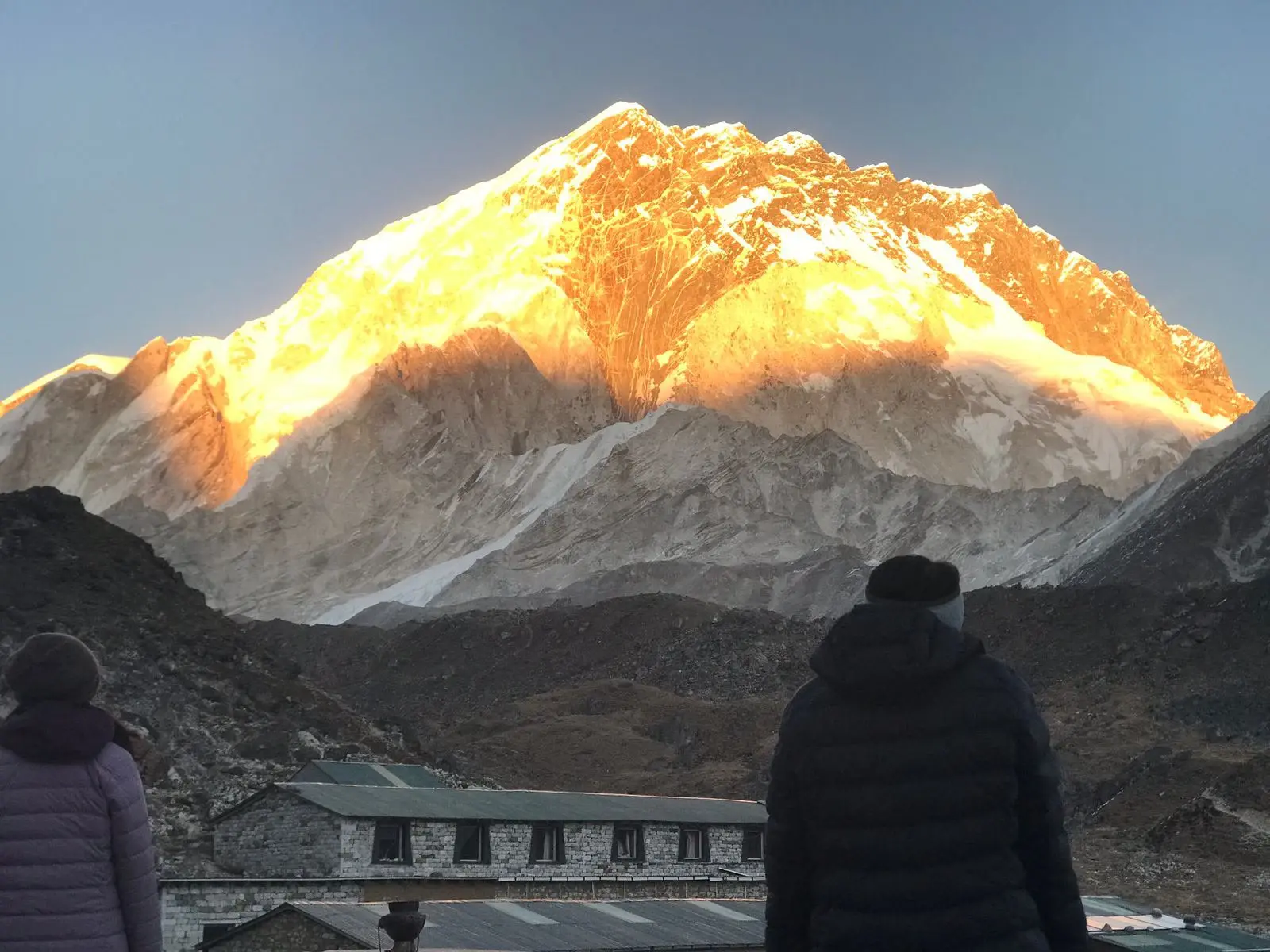
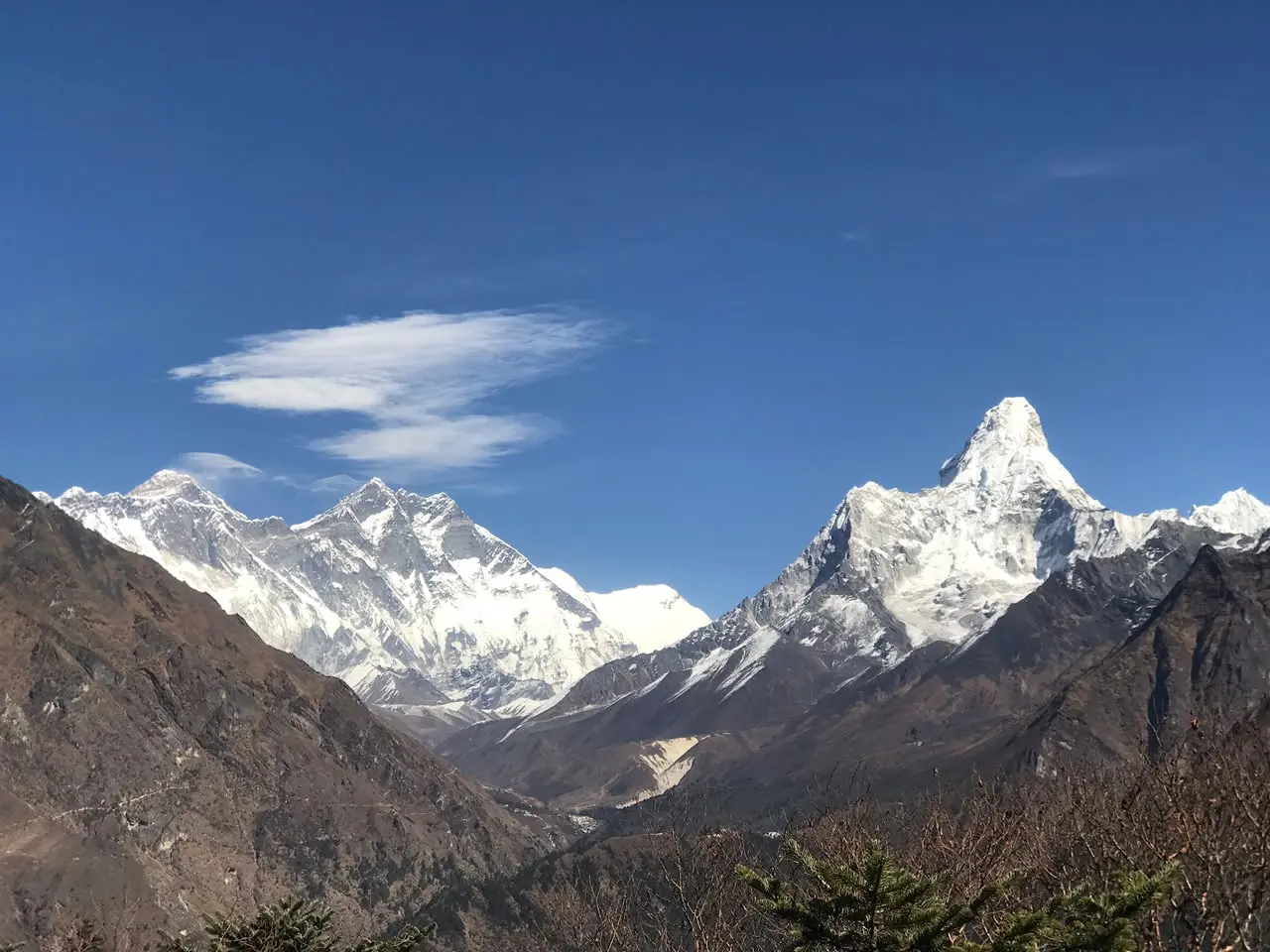
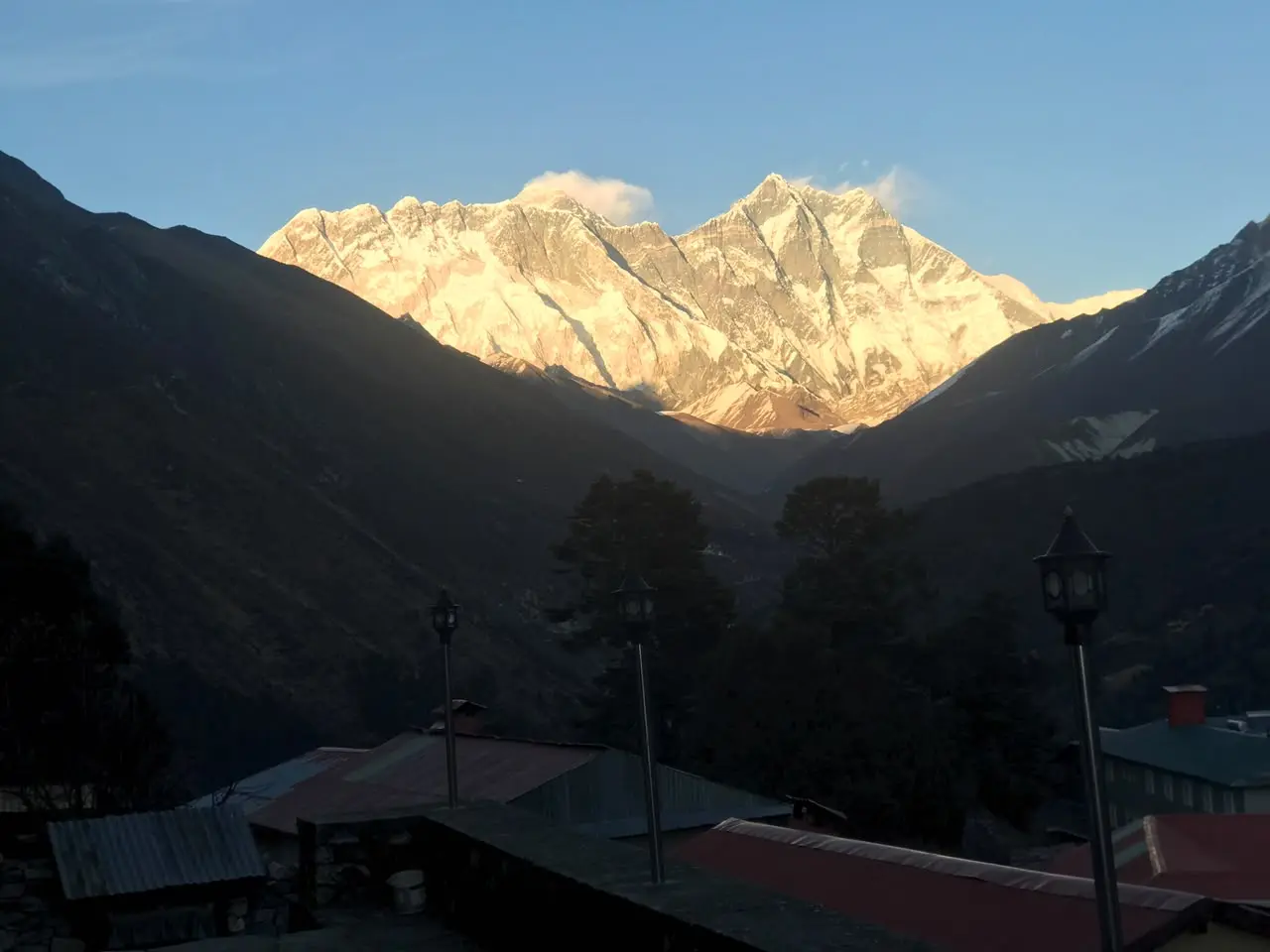
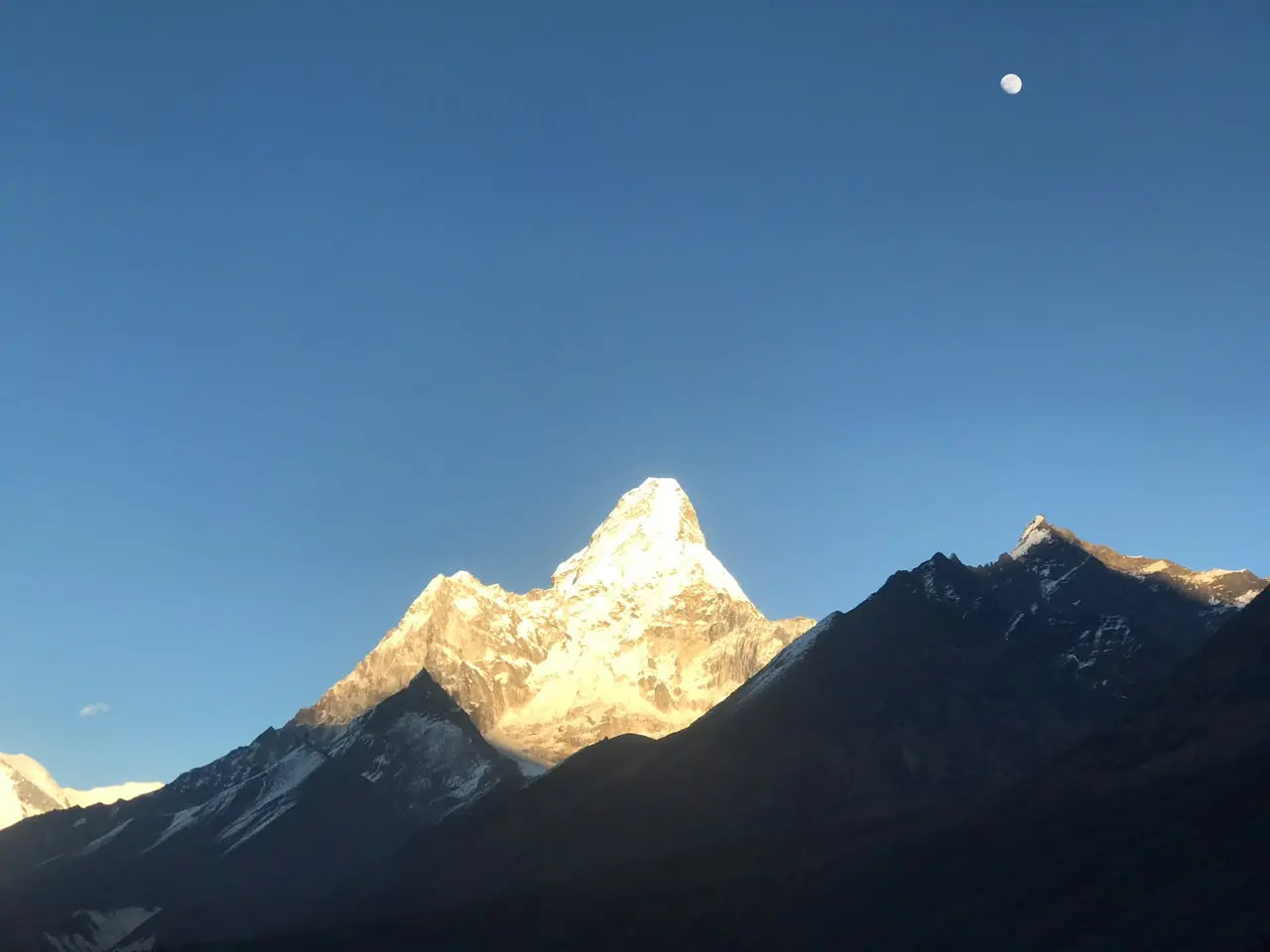
  • Spectacular views of Mount Everest, Ama Dablam, Lhotse, and Nuptse
  • Experience traditional Sherpa villages and local hospitality
  • Cross scenic suspension bridges over the Dudh Koshi River
  • Enjoy comfortable teahouse and lodge accommodation
  • Taste delicious Nepali and international mountain cuisine
  • Explore the unique culture and traditions of the Everest region
  • Guided trekking with experienced local support from Ram Himalayan Trek
  • Unforgettable Himalayan landscapes and mountain panoramas

Overview

The Everest Base Camp Short Trek is a thrilling adventure that offers a condensed yet exhilarating experience of the iconic Everest region. Starting with a scenic flight from Kathmandu to Lukla, the trek quickly immerses you in the breathtaking landscapes and rich Sherpa culture of the Himalayas.

From Lukla, the trail winds through lush forests, picturesque Sherpa villages, and alongside the Dudh Koshi River. Each day brings new vistas of snow-capped peaks, including Everest itself, as you ascend gradually towards Namche Bazaar. This bustling Sherpa town serves as a gateway to higher altitudes and offers a blend of cultural immersion and stunning mountain views.

Continuing from Namche Bazaar, the trek leads to Tengboche, home to one of the most revered monasteries in the region, with panoramic views of Everest, Lhotse, and Ama Dablam. The return journey retraces your steps through valleys and across suspension bridges, allowing for reflection on the journey while soaking in the beauty of the Himalayas.

This trek is designed for those with limited time who still want to experience the majesty of Everest and its surroundings. Teahouse accommodations provide comfort along the way, while expert guides ensure safety and share insights into the local culture and natural history. The Everest Base Camp Short Trek promises unforgettable moments and a deep connection with one of the world's most awe-inspiring mountain landscapes.

Everest Base Camp Short Trek Overview

The Everest Base Camp Short Trek with Ram Himalayan Trek is an ideal adventure for travelers who want to experience the spectacular Everest region within a limited timeframe. The journey begins in Kathmandu and continues with a scenic flight toward Lukla, the gateway to the Everest region. From Lukla, the trail follows the Dudh Koshi River through beautiful forests, suspension bridges, traditional Sherpa villages, and mountain settlements before reaching the famous Namche Bazaar. The route then continues toward Tengboche, one of the most culturally and scenically rewarding destinations in the Khumbu region. Trekkers can enjoy magnificent views of Everest, Lhotse, Nuptse, Ama Dablam, Thamserku, and other Himalayan peaks while experiencing the distinctive culture and hospitality of the Sherpa people.

The itinerary provided is particularly suitable for travelers seeking an Everest View/Tengboche short trek rather than the actual Everest Base Camp. It reaches approximately 3,880 meters at Hotel Everest View/Tengboche, whereas Everest Base Camp itself is at approximately 5,364 meters. Therefore, if the package is promoted specifically as an “Everest Base Camp Short Trek,” the itinerary should be adjusted to include the actual Base Camp. Nevertheless, the current itinerary provides an excellent introduction to the Everest landscape without requiring the longer commitment of a full EBC expedition.

  • Scenic Kathmandu–Lukla flight experience
  • Namche Bazaar and traditional Sherpa settlements
  • Tengboche Monastery and Himalayan scenery
  • Panoramic views of Everest and Ama Dablam
  • Guided trekking with comfortable lodge stays
  • Opportunity to experience Tibetan Buddhist traditions

Best Season for Everest Base Camp Short Trek

The best seasons for the Everest region trek are generally spring and autumn, when the weather is comparatively stable and mountain visibility is excellent. March to May is particularly attractive because the lower valleys become colorful with blooming rhododendrons, while clear mornings can provide outstanding views of the surrounding Himalayan peaks. September to November is another excellent period, especially October and November, when the monsoon generally has passed, and the atmosphere becomes clearer. These seasons are well suited to photography, mountain sightseeing, village exploration, and trekking along the Lukla–Namche–Tengboche route. Nepal Tourism Board also identifies October-November and March-May as strong seasons for the Sagarmatha region.

Winter can provide peaceful trails and dramatic snowy scenery, but temperatures can become very cold, particularly at night and at higher elevations. The monsoon months from June to September are generally less favorable because rain, clouds, slippery trails, and flight disruptions can affect the journey. Weather in the mountains can change quickly regardless of season, so travelers should maintain some flexibility in their itinerary, particularly because Lukla flights can be affected by weather conditions.

  • Spring: March to May
  • Autumn: September to November
  • Best visibility: October-November and March-May
  • Winter: Cold, with possible snow and reduced comfort
  • Monsoon: June to September, with more rain and cloud
  • Recommended: Spring and autumn for the most reliable trekking experience

Everest Base Camp Short Trek Difficulty and Transportation

The Everest Base Camp Short Trek is a moderate trekking adventure that requires reasonable physical fitness and the ability to walk for several hours on consecutive days. The trail contains stone steps, forest paths, steep uphill and downhill sections, suspension bridges, and uneven mountain terrain. The section from Phakding toward Namche Bazaar includes a substantial climb, while the route from Namche to Tengboche also involves elevation gain and undulating trails. Even though the short itinerary does not reach Everest Base Camp, trekkers should still take altitude seriously because Namche Bazaar and Tengboche are already at significant elevations.

Transportation is an important part of the Everest experience. The standard itinerary begins with a flight from Kathmandu to Lukla, followed by trekking through Phakding, Namche Bazaar, and Tengboche before returning to Lukla and flying back to Kathmandu. Nepal Tourism Board describes Lukla as a principal gateway to the Everest region and notes that the region can also be reached by traveling toward Jiri and trekking onward. Ram Himalayan Trek can coordinate the required transportation, trekking guide, and logistical arrangements while allowing appropriate flexibility for mountain weather.

  • Difficulty: Moderate
  • Highest point on the supplied itinerary: About 3,880 m
  • Main transportation: Kathmandu–Lukla–Kathmandu flight
  • Trail conditions: Stone steps, suspension bridges, forests and mountain paths
  • Fitness: Regular walking and basic cardiovascular fitness recommended
  • Altitude: Gradual ascent and proper pacing are important
  • Weather: Flight schedules may change because of mountain conditions

Food and Accommodation for Everest Base Camp Short Trek

Food and accommodation are important parts of the Everest trekking experience, and the route offers a combination of traditional mountain hospitality and increasingly comfortable lodge facilities. Along the Lukla, Phakding, Namche Bazaar, and Tengboche route, trekkers generally stay in teahouses, lodges, or comfortable mountain hotels. Rooms are commonly simple but welcoming, while some upgraded properties offer hot showers, Wi-Fi, dining areas, and cozy lounges. In Namche Bazaar, travelers can find a wider variety of accommodation and dining choices compared with smaller settlements along the trail. Nepal Tourism Board confirms that resorts, hotels, lodges, teahouses, and camping options are available within the Sagarmatha region.

Meals during the trek are designed to provide sufficient energy for long walking days. Typical choices include dal bhat, rice, noodles, pasta, soups, potatoes, vegetables, eggs, breads, and other simple trekking meals. Tea, coffee, hot chocolate, and other warm drinks are also popular, especially at higher elevations. Ram Himalayan Trek can arrange meals according to the selected package and travelers' dietary requirements where possible. Trekkers should also drink plenty of water throughout the day and maintain good hydration as they gain altitude.

  • Comfortable teahouses, lodges, or selected mountain hotels
  • Hot showers available at many upgraded properties
  • Wi-Fi availability in major settlements, subject to local conditions
  • Nutritious breakfast, lunch, and dinner
  • Traditional Nepali dal bhat and international-style meals
  • Tea, coffee, soups, and other warm beverages
  • Cozy dining spaces and panoramic mountain views

Everest Base Camp Short Trek Permits

Permits and trekking documentation are essential for traveling through the Everest region. The route passes through Sagarmatha National Park, so trekkers must obtain the applicable national park entry permit. Nepal Tourism Board currently lists the Sagarmatha National Park entry fee for foreign visitors at NPR 3,000 per person per entry, with different rates for Nepali and SAARC visitors. The official information also notes that park entry fees can be obtained through authorized tourism service points or relevant entry points.

A TIMS card is also relevant to this itinerary. Nepal Tourism Board's current TIMS information specifically includes the Everest Base Camp Trek and Everest View Trek among routes requiring trekkers to be accompanied by a licensed trekking guide and carry an agency-issued TIMS card. The Everest region also has local administrative requirements that should be checked when arranging the trek. Ram Himalayan Trek can assist with the necessary documentation and ensure permits are arranged before or during the appropriate stage of the journey. Requirements and fees can change, so travelers should confirm the latest regulations before departure.

  • Sagarmatha National Park entry permit
  • TIMS card for the applicable Everest-region trekking route
  • Licensed trekking guide as required
  • Passport details and photographs where required
  • Local/regional fees where applicable
  • Permit arrangements coordinated by Ram Himalayan Trek

Why Choose Everest Base Camp Short Trek

Choosing the Everest Base Camp Short Trek with Ram Himalayan Trek allows travelers to experience the highlights of the Khumbu region without committing to a long Himalayan expedition. The itinerary combines spectacular mountain scenery with cultural experiences, including visits to Sherpa settlements, Namche Bazaar, Tengboche, and Buddhist monasteries. The route provides opportunities to see some of the world's most famous Himalayan peaks while walking through pine and rhododendron forests, crossing suspension bridges, and following traditional mountain trails. Sagarmatha National Park is also recognized for its exceptional mountain environment, Sherpa culture, wildlife, and Himalayan landscapes.

Another major advantage is the balance between adventure and comfort. The itinerary is short enough to suit travelers with limited vacation time while still providing an authentic Himalayan trekking experience. Comfortable lodge accommodation, warm meals, experienced trekking support, and organized transportation make the journey easier to manage. Ram Himalayan Trek can also help travelers prepare for altitude, permits, transportation, accommodation, and daily trekking logistics. For travelers specifically seeking Everest Base Camp itself, however, the itinerary should be extended beyond Tengboche because the supplied seven-day trekking schedule does not reach EBC.

  • Shorter commitment than a full Everest Base Camp itinerary
  • Outstanding views of Everest, Lhotse, Nuptse, and Ama Dablam
  • Authentic Sherpa culture and Himalayan village experiences
  • Tengboche Monastery and Buddhist heritage
  • Experienced local trekking support
  • Comfortable accommodation and organized meals
  • Suitable for travelers with limited time
  • Excellent introduction to the Everest region

Important Note:

  • Best Time to Visit: March-May and September-November
  • Max Altitude: Everest Base Camp (5,364 meters / 17,598 feet)
  • Accommodation: Luxury lodges and hotels along the route
  • Permit Required: Sagarmatha National Park Permit, TIMS card

Gallery

Trip Itinerary

Upon your arrival at Tribhuvan International Airport in Kathmandu, a representative from Ram Himalayan Trek will warmly welcome you and assist you with your transfer to the hotel. After check-in, you can rest and recover from your journey or explore the vibrant streets of Thamel if time permits. Your guide will provide a short briefing about the trek, including the route, safety considerations, packing requirements, and the expected conditions in the Everest region. This is also a good opportunity to meet your trekking team and prepare for the adventure ahead.
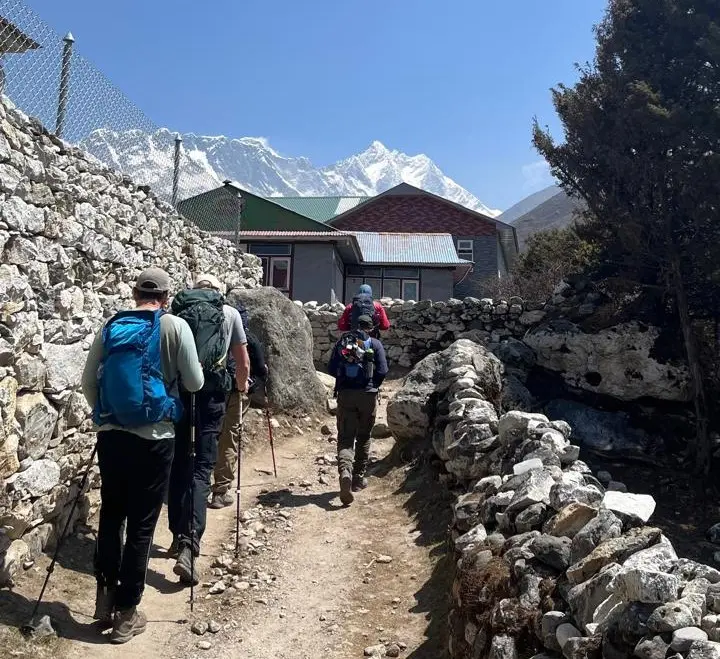
Your Everest adventure begins with an early morning scenic flight toward Lukla, the gateway to the Everest region. The flight takes approximately 30–35 minutes and offers impressive aerial views of the Himalayan foothills and mountains. After landing at Lukla Airport, you will meet your trekking crew and begin walking toward Phakding. The trail passes through traditional Sherpa settlements, stone walls, prayer wheels, and beautiful forests while following sections of the Dudh Koshi River. After several hours of comfortable trekking, you reach Phakding, where you spend the night at a local teahouse.
Today is one of the most rewarding and important days of the trek as you make your way toward Namche Bazaar, the famous Sherpa trading town of the Khumbu region. The trail follows the Dudh Koshi River and passes through pine and rhododendron forests, traditional villages, and several spectacular suspension bridges. After entering Sagarmatha National Park at Monjo, the route gradually becomes steeper. The final climb to Namche is challenging but rewarding, and on clear days you may catch your first views of Everest and surrounding Himalayan peaks. You will spend the night in Namche Bazaar.
After breakfast, you leave Namche Bazaar and follow a scenic trail overlooking the dramatic Himalayan landscape. The route climbs toward the Hotel Everest View, located at approximately 3,880m, where you can pause and enjoy spectacular panoramas of Mount Everest, Lhotse, Nuptse, Ama Dablam, and other peaks. From there, the trail gradually descends before continuing toward Tengboche. Surrounded by magnificent mountains and forests, Tengboche is home to the renowned Tengboche Monastery, an important spiritual center for Sherpa communities. If conditions and timing allow, you can visit the monastery and experience its peaceful mountain setting.
Today you begin your descent through the beautiful forests and mountain villages of the Khumbu region. The trail initially descends from Tengboche toward the Dudh Koshi River before gradually following the route back toward Namche Bazaar. Along the way, you can enjoy different perspectives of Ama Dablam, Thamserku, and the surrounding valleys. After a break in Namche, continue descending through familiar villages and forested sections toward Monjo. The lower elevation makes the walking easier for most trekkers, and you can enjoy the changing vegetation and warmer temperatures as you lose altitude.
Your final trekking day in the Everest region takes you from Monjo back to Lukla. The trail follows the Dudh Koshi Valley and passes through several familiar Sherpa villages, suspension bridges, prayer stones, forests, and mountain landscapes. Although you have already walked much of this route, the scenery can look completely different from the opposite direction. Once you reach Lukla, you can relax at your teahouse and celebrate the completion of your trek with your guide and trekking team. This evening provides a wonderful opportunity to reflect on your Himalayan experience before your flight back to Kathmandu.
After breakfast, prepare for your scenic flight from Lukla back to Kathmandu. The approximately 30–35-minute flight provides one final opportunity to admire the Himalayan landscape from above, weather permitting. Upon arrival in Kathmandu, a representative from Ram Himalayan Trek will assist with your transfer to the hotel. The remainder of the day is free for relaxation, shopping, sightseeing, or enjoying a well-deserved meal after your trek. You may explore Thamel and purchase traditional Nepali handicrafts, souvenirs, trekking gear, or gifts before your departure.
Your Everest Base Camp Short Trek adventure with Ram Himalayan Trek comes to an end today. After breakfast, you will have some free time depending on your international flight schedule. A representative will arrange your transfer to Tribhuvan International Airport for your onward journey. As you leave Nepal, you can look back on the spectacular Himalayan landscapes, Sherpa villages, monasteries, suspension bridges, and unforgettable trekking experiences you encountered during your journey. We hope the memories created in the Everest region will remain with you long after you return home.
Not satisfied with this itinerary? Make your own.
Plan My Trip

Trip Includes and Excludes

  • Airport transfers in Kathmandu and Lukla
  • Accommodation in Kathmandu (pre-trek and post-trek) and teahouses during the trek
  • All meals (breakfast, lunch, dinner) during the trek
  • Domestic flights (Kathmandu to Lukla and return)
  • Sagarmatha National Park entry permit and TIMS card
  • Experienced trekking guide and porter(s)
  • Trekking equipment (sleeping bag, down jacket, etc. on request)
  • Welcome and farewell dinners
  • Porter service (1 porter for every 2 trekkers)
  • 1 assistant for every 4 trekkers
  • Guide and porter salary, insurance, and equipment
  • 3 cups of tea served daily(Any choice)
  • Fresh fruits served as dessert
  • International airfare
  • Nepal visa fees
  • Travel insurance (mandatory)
  • Meals in Kathmandu (except breakfast) and during flights
  • Personal expenses (laundry, drinks, snacks, Wi-Fi, hot showers, battery charging)
  • Tips for guide and porters
  • Extra meals and drinks in Kathmandu
  • Personal trekking gear and equipment
8
Days
You Save
US$ 145
Starting From
US$ 1,395 US$ 1,250

Equipment List

Clothing

  • Thermal underwear (top and bottom)
  • Moisture-wicking long-sleeve t-shirts
  • Moisture-wicking underwear
  • Fleece jacket or pullover
  • Insulated down or synthetic jacket
  • Waterproof and windproof jacket (Gore-Tex or similar)
  • Waterproof and windproof pants (Gore-Tex or similar)
  • Waterproof trousers
  • Trekking pants (convertible preferred)

Headwear

  • Warm beanie or winter hat
  • Sun hat or cap
  • Neck gaiter or scarf

Handwear

  • Lightweight inner gloves
  • Insulated outer gloves or mittens

Footwear

  • Waterproof hiking boots (well broken-in)
  • Comfortable camp shoes (sneakers or sandals)

Trekking Gear

  • Trekking backpack (30–40 L) with waterproof rain cover
  • Sleeping bag (cold-weather rated)
  • Insulated sleeping pad or mattress
  • Adjustable trekking poles
  • Insulated water bottles or hydration bladder (minimum 2 L capacity)

Personal Care & Health

  • Travel-sized toiletries
  • Biodegradable soap
  • Quick-dry towel
  • Altitude sickness medication
  • Pain relievers
  • Personal prescription medications
  • Basic first-aid supplies
  • Sunscreen (high SPF)
  • Wet wipes
  • Hand sanitizer
  • Lip balm with SPF

Electronics

  • Headlamp
  • Power bank
  • Extra batteries
  • Camera
  • Spare camera batteries
  • Portable solar charger

Documents & Essentials

  • Passport and permits (if required)
  • Cash in small denominations
  • Notebook and pen
  • Earplugs (for sleeping in lodges/tea houses)
  • Zip-lock bags or dry bags for organization and waterproofing

Optional Items

  • Sunglasses with UV protection
  • Gaiters (for snow, mud, or dusty trails)
  • Snacks and energy bars
  • Lightweight repair kit (duct tape, safety pins, etc.)
  • Emergency whistle

Packing Tip

  • Pack heavy items close to your back and centered in the backpack.
  • Keep rain gear, water, snacks, sunscreen, camera, and other frequently used items easily accessible.
  • Use dry bags or zip-lock bags to keep clothing and electronics protected from moisture.

Frequently Asked Questions

The Everest Base Camp Short Trek with Ram Himalayan Trek is designed for travelers who want to experience the spectacular landscapes, Sherpa culture, mountain villages, monasteries, and Himalayan scenery of the Everest region within a shorter timeframe than a traditional Everest Base Camp itinerary. The trek combines scenic mountain flights, comfortable teahouse accommodation, and carefully planned walking days through the Khumbu region. Depending on the selected itinerary, trekkers can experience highlights such as Lukla, Phakding, Namche Bazaar, Tengboche, and the Everest View Hotel while traveling with experienced local trekking guides.

The Everest Base Camp Short Trek is generally considered a moderate to challenging Himalayan trekking experience, depending on the exact route and altitude reached. Although the daily walking distances may be manageable for regular hikers, the increasing elevation, steep sections, uneven terrain, suspension bridges, and changing mountain weather can make the trek physically demanding. Good preparation is important, especially because altitude affects people differently. Ram Himalayan Trek recommends regular walking, hiking, stair climbing, and cardiovascular exercise before departure. A comfortable pace, proper hydration, adequate rest, and listening to your guide are also important throughout the journey.

The duration depends on the specific short-trek route selected by the traveler. A compact itinerary can be organized around approximately 8 days, including arrival and departure from Kathmandu, while itineraries that actually reach Everest Base Camp generally require additional trekking days for acclimatization and the return journey. Ram Himalayan Trek can customize the itinerary according to your available vacation time, fitness level, preferred trekking pace, and desired destinations. When planning a short Everest trek, it is important not to reduce acclimatization days excessively because proper adaptation to altitude is a major part of a safe and enjoyable Himalayan journey.

Previous high-altitude trekking experience is not always necessary, but being physically prepared is highly recommended. Many first-time Himalayan trekkers successfully complete Everest-region routes when they train properly and follow their guide's instructions. You should be comfortable walking for several hours on consecutive days over uneven and sometimes steep terrain. Ram Himalayan Trek provides experienced trekking guides who help manage the pace, route, rest periods, and practical challenges along the trail. However, previous hiking experience can be helpful, particularly for travelers who are not accustomed to long-distance walking or mountainous environments.

The highest point depends on the exact itinerary you book with Ram Himalayan Trek. On the shorter itinerary that visits the Everest View Hotel and Tengboche, the route reaches approximately 3,880 meters at the Everest View Hotel. A traditional Everest Base Camp trek goes substantially higher, with Everest Base Camp situated at approximately 5,364 meters. Because altitude increases the physical demands of the trek, itinerary design, gradual ascent, hydration, rest, and awareness of altitude-related symptoms are important. Your guide will monitor the group and provide practical guidance throughout the trek.

The traditional way to begin the Everest region trek is by taking a scenic flight between Kathmandu and Lukla. The flight generally takes around 30–35 minutes when operating normally and provides beautiful views of the Himalayan landscape. However, flights to Lukla are highly dependent on weather and airport operating conditions, particularly during periods of poor visibility. Ram Himalayan Trek helps coordinate the flight arrangements and can advise travelers about possible schedule changes. Trekkers should keep some flexibility in their itinerary because mountain flights may experience delays or cancellations due to weather and operational circumstances.

Weather conditions in the Himalayan region can change quickly, and Lukla flights may sometimes be delayed or cancelled for safety or operational reasons. If this happens, Ram Himalayan Trek will coordinate with the relevant flight operator and help determine the most practical alternative. Depending on the circumstances, this may involve waiting for the next available flight or considering another suitable transportation arrangement if available. Travelers should therefore avoid scheduling international flights too tightly after returning from the mountains. Building some flexibility into your itinerary can make unexpected weather-related changes much easier to manage.

Altitude is an important consideration whenever you trek in the Everest region. Some travelers may experience symptoms of altitude illness as they ascend, even when they are physically fit. Common early symptoms can include headache, fatigue, dizziness, nausea, or difficulty sleeping. Ram Himalayan Trek plans the route with altitude awareness and experienced guides who can monitor trekkers throughout the journey. You should inform your guide immediately if you feel unwell at altitude rather than attempting to hide symptoms. Descending to a lower elevation is an important response to worsening altitude-related symptoms, and serious symptoms require prompt medical attention.

The trek can be suitable for well-prepared beginners, particularly when following a carefully designed itinerary and traveling with an experienced trekking company such as Ram Himalayan Trek. However, being a beginner does not mean the trek should be approached casually. The mountain environment is very different from normal walking conditions, and several hours of trekking per day can be tiring. Beginners should undertake regular cardiovascular exercise and hiking before the trip, practice walking with their trekking footwear, and become comfortable carrying a daypack. A steady pace and proper rest are more important than trying to walk quickly.

Yes, Ram Himalayan Trek can customize Everest-region trekking programs according to your available time, fitness level, preferred walking distance, accommodation preferences, and travel interests. Some travelers may want a very compact itinerary, while others prefer additional acclimatization days or extra time in villages such as Namche Bazaar. You can also discuss private trips, group departures, additional Kathmandu sightseeing, or alternative trekking routes. If your primary goal is specifically to stand at Everest Base Camp, make this clear when booking because a short itinerary that stops at Tengboche or the Everest View Hotel is not the same as an itinerary that reaches Base Camp.

Choosing an experienced local trekking company can make the journey easier to organize and allow you to receive practical support throughout your trip. Ram Himalayan Trek focuses on organizing trekking experiences in Nepal with attention to route planning, trekking logistics, local guides, accommodation, permits, transportation, and traveler support. The company's local knowledge is particularly valuable in the Everest region, where weather, mountain flights, trail conditions, and accommodation availability can affect the itinerary. From your arrival in Kathmandu to your departure from Nepal, the team can help coordinate the major components of your Himalayan adventure.

Accommodation during the Everest region trek is generally provided in comfortable local teahouses or trekking lodges. Rooms are usually simple and practical, commonly featuring twin beds and basic furnishings. Facilities become more basic as you travel farther into the mountains, while dining areas provide a warm place to eat and socialize with other trekkers. Ram Himalayan Trek selects suitable accommodation based on availability, location, cleanliness, and the itinerary. Private bathrooms are not guaranteed at every overnight stop, and hot showers or charging facilities may involve an additional fee depending on the lodge and location.

Teahouses along the Everest route offer a variety of meals designed to provide trekkers with sufficient energy for long walking days. Common options include dal bhat, noodles, rice, pasta, soups, potatoes, vegetables, eggs, bread, Tibetan-style dishes, and other simple meals. Breakfast may include porridge, eggs, toast, pancakes, or similar items, while tea, coffee, and other hot drinks are widely available. Ram Himalayan Trek can help accommodate common dietary preferences and restrictions when informed in advance. Because food choices can become more limited at higher elevations, trekkers should communicate their requirements clearly before and during the trek.

Trekkers traveling through the Everest region need the applicable permits and entry documents required for the route. Depending on the itinerary, these can include entry requirements for Sagarmatha National Park and the relevant local-area trekking permit or fee. Ram Himalayan Trek assists travelers with the necessary permit arrangements as part of the trekking preparation process. It is important to carry your passport and required travel documents because permits and identification may be checked at designated points along the trail. Permit requirements and fees can change, so the company will provide the latest information when you confirm your trip.

Packing should focus on keeping you warm, comfortable, dry, and prepared for changing mountain conditions without carrying unnecessary weight. Essential items generally include comfortable trekking shoes or boots, warm layers, a waterproof jacket, trekking trousers, thermal clothing, gloves, a warm hat, sunglasses, sunscreen, a water bottle or hydration system, personal medication, toiletries, a headlamp, and a sleeping bag suitable for the expected temperatures. Ram Himalayan Trek provides a detailed packing list before departure based on your itinerary and season. Packing appropriately is particularly important because temperatures can vary considerably between Kathmandu, Lukla, Namche, Tengboche, and higher elevations.

The most popular trekking periods are generally spring and autumn, when the Everest region often offers favorable trekking conditions and good mountain visibility. Spring, particularly March through May, brings relatively stable conditions and blooming rhododendrons in lower areas. Autumn, especially October and November, is popular for clear skies, crisp mountain views, and comfortable trekking conditions. Winter can be colder, while the monsoon season can bring rain, clouds, and flight disruptions. Ram Himalayan Trek can help you choose the most appropriate departure period based on your preferred scenery, weather conditions, available vacation time, and tolerance for colder or wetter conditions.

Trusted by 2 verified reviewers (2 approved)

Ram. Great guide. Great person. The best option for Himalaya trek

Great experience i our Everest Base Camp trek, thanks the great guidance of Ram Dahal. Great guide and better person. He knows perfectly these landscapes, its people, culture, spiritualy... With Ram, the trek is more t'han a trek. Is a lesson of life. We hope repeat experience with him, next time in Manaslu valley. Always with Ram, of coure!

8
885carmea

Highly recommend!!

I can not recommend Ram highly enough. I was lucky enough to have him as my guide for my Everest Base Camp trek, and he made the entire experience unforgettable! From the moment I arrived in Kathmandu, he went above and beyond. Even though we'd only just met, he helped me navigate around & took me to exchange money, making sure I was comfortable and settled before the trek even began. That kindness immediately put me at ease. Throughout the trek, he was incredibly knowledgeable, professional, and always looking out for everyone's wellbeing. Pointing out different Mountains and their names, giving lots of information about the area. As someone with coeliac disease, travelling can be stressful, but he made sure my food was always gluten free and safe to eat. That gave me so much peace of mind and allowed me to enjoy every moment of the trek without worrying. He was endlessly patient, encouraging on the tougher days, and always had a smile on his face. It was obvious that he genuinely cared about the people he was guiding, not just getting us from A to B. To top it all off, before I flew home, he surprised me with a T-shirt as a gift and even saw me off at the airport. It was such a thoughtful gesture and perfectly summed up the kind of person he is. Everest Base Camp was the trip of a lifetime, and I know it wouldn't have been the same without him. If you're looking for a guide in Nepal, I wholeheartedly recommend Ram. You'll be in safe hands, and you'll leave with not only incredible memories but also a friend. Thank you again for everything & I hope our paths cross again one day!

N
Nfobon
United Kingdom

Similar Trips

Everest Three High Passes Trek
Nepal
Trekking in Nepal
Moderate
Everest Three High Passes Trek - 20 days
US$ 1,795 $ 1,855
Explore
Visa Mastercard UnionPay American Express

We value your privacy
We use cookies to make your trip planning smoother and improve our services. Learn more