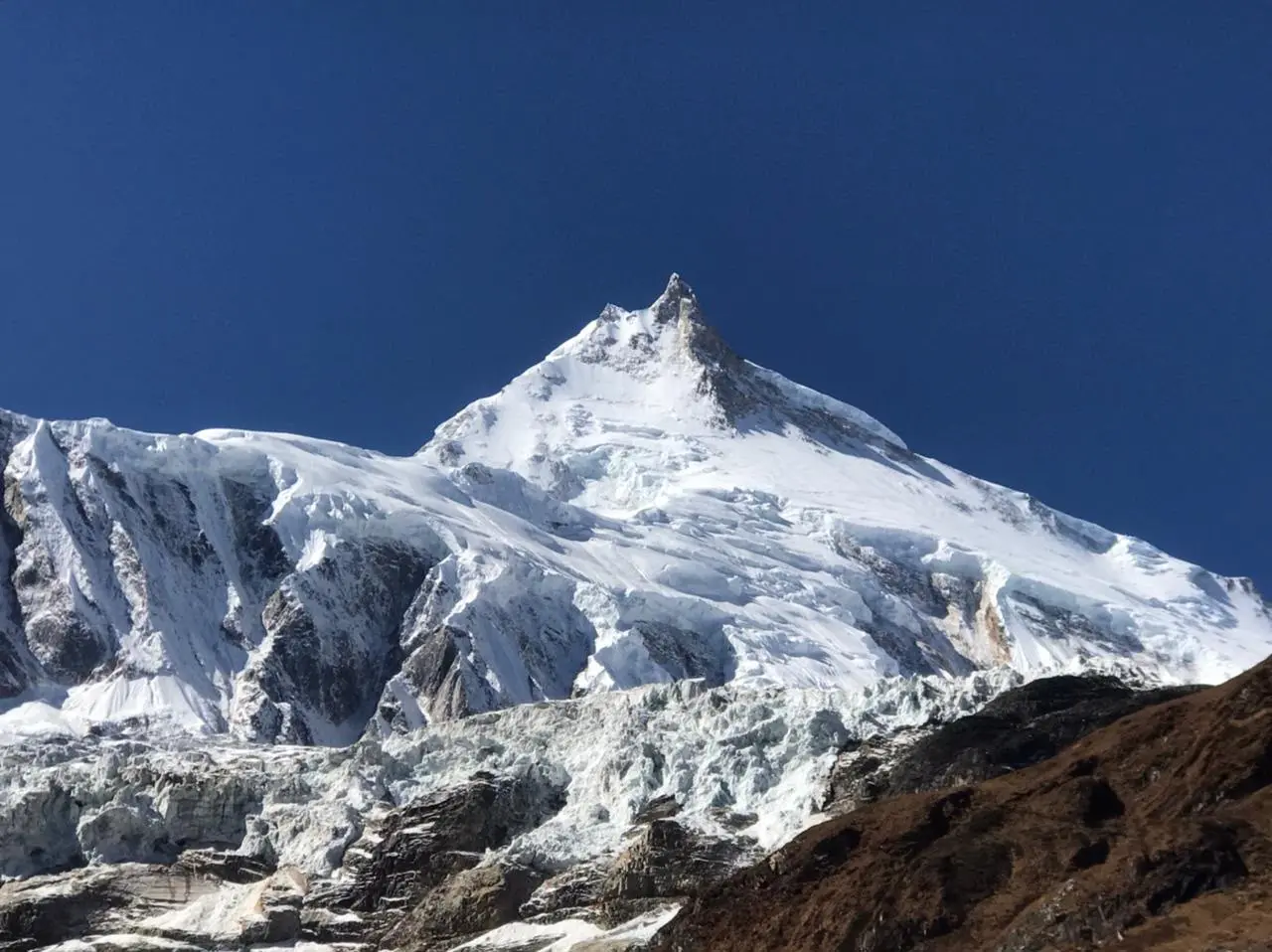
The Tsum Valley Trek is a culturally rich Himalayan journey through one of Nepal’s most secluded mountain valleys, combining dramatic landscapes, ancient Tibetan Buddhist traditions, traditional villages, monasteries, and peaceful mountain trails. This 16-day itinerary begins with arrival and preparation in Kathmandu before the overland journey toward Machha Khola. From there, the trek gradually enters the Manaslu region and continues toward Lokpa, the traditional gateway to Tsum Valley. As the trail climbs through Chumling, Chhekam Paro, Chhule/Nile, and finally Mu Gompa at approximately 3,705 meters, trekkers experience changing vegetation, mountain scenery, stone houses, mani walls, prayer flags, chortens, and centuries-old Buddhist culture. The Manaslu Conservation Area is known for its natural diversity and authentic Himalayan communities, with trekking, village visits, lodges, and camping among its attractions.
The itinerary includes an important acclimatization and exploration day at Mu Gompa before descending through Chhekam Paro, Chumling, Lokpa, Jagat, and Machha Khola. This gradual ascent and planned rest day make the journey more manageable while allowing sufficient time to appreciate the valley rather than rushing from one settlement to another. Ram Himalayan Trek can present this itinerary as a combination of Himalayan adventure, cultural immersion, and responsible village-based travel. The route is particularly appealing to trekkers looking for a quieter alternative to Nepal’s busiest trekking corridors. Throughout the journey, trekkers can enjoy close contact with local communities and observe Tibetan-influenced Buddhist traditions that remain an important part of life in Tsum Valley.
The best seasons for the Tsum Valley Trek are generally spring and autumn, particularly March to May and September to November. Nepal Tourism Board identifies March–May and September–November as the best seasons for the Manaslu Conservation Area, while its general trekking guidance also recommends September–November and February–May for favorable walking conditions. During spring, the lower and middle sections of the trail become especially attractive as vegetation begins to flourish, while clear mountain views can create excellent conditions for photography and sightseeing. The daytime temperatures are generally suitable for trekking, although conditions become colder as elevation increases toward Mu Gompa.
Autumn is another excellent period because the monsoon has generally passed, bringing clearer skies and relatively stable trekking conditions. October and November are particularly popular for Himalayan trekking because mountain visibility can be excellent. Winter is possible for experienced trekkers, but temperatures at higher elevations can fall significantly, and snowfall may affect the upper valley. Nepal Tourism Board notes that temperatures generally decrease by about 6°C for every 1,000 meters of elevation gain, so preparation for cold conditions is important even during the main trekking seasons. The summer monsoon period, roughly June through September, can bring rain, wet trails, landslides, and reduced mountain visibility, making logistics more complicated.
Seasonal considerations:
For guests booking through Ram Himalayan Trek, the departure date should be selected according to both weather conditions and personal trekking experience. Conditions can change rapidly in the mountains, so an experienced local team can adjust daily plans when necessary.
The Tsum Valley Trek is generally considered a moderate-to-challenging Himalayan trekking adventure because of its duration, daily walking hours, changing elevations, rugged terrain, and remote setting. The highest point in this itinerary is approximately 3,705 meters at Mu Gompa. Although the itinerary does not involve a high mountain pass such as Larkya La, trekkers still need to be prepared for sustained walking on uneven trails, stone steps, suspension bridges, ascents, and descents. Several days involve approximately 5–7 hours of trekking, while the route also includes an acclimatization day at Mu Gompa. Proper pacing is important because altitude-related discomfort can occur even below 4,000 meters.
The transportation component begins with the road journey from Kathmandu to Machha Khola, listed in your itinerary as approximately 160 km and 8–10 hours. Road travel in Nepal’s mountainous areas can take longer than the nominal distance suggests because of winding roads, traffic, construction, weather, and trailhead conditions. Nepal Tourism Board notes that transportation becomes more difficult outside the major trekking areas, while long-distance buses, vans, and other road transportation are widely used in Nepal. After reaching Machha Khola, the journey continues primarily on foot. The return follows the trekking route back to Machha Khola before another road journey to Kathmandu.
Difficulty and transport points:
With Ram Himalayan Trek, the itinerary can be approached at a steady pace, with attention to hydration, acclimatization, weather, and daily trail conditions.
Food and accommodation on the Tsum Valley Trek are part of the authentic Himalayan experience. As the trail passes through rural mountain settlements, accommodation is generally based on locally operated teahouses, lodges, and homestay-style facilities rather than luxury mountain resorts. Nepal Tourism Board explains that many trekking routes have lodges or teahouses, while more remote sections may have more limited facilities or require camping. In Tsum Valley, staying in local establishments provides an opportunity to experience traditional hospitality while supporting communities along the trekking route.
Meals generally focus on practical, filling foods suitable for long trekking days. Dal bhat, rice, lentils, vegetables, noodles, soups, potatoes, Tibetan-style breads, and other simple local or trekking dishes may be available depending on the settlement and lodge. Breakfast and dinner are particularly important for maintaining energy, while trekkers should drink sufficient water throughout the day. Nepal Tourism Board recommends using bottled, boiled, or properly filtered water while traveling in Nepal. In higher and more remote villages, food choices can be more limited than in Kathmandu, so travelers should be comfortable with simple meals.
Ram Himalayan Trek can organize accommodation and meals according to the itinerary and local availability. Because facilities vary from village to village, trekkers should expect a genuine mountain experience rather than city-style hotel services.
The Tsum Valley Trek requires specific trekking documentation because Tsum Valley is designated as a restricted trekking area within the Gorkha/Manaslu region. The Department of Immigration's current trekking-route information lists Gorkha Tsum Valley as a restricted area and publishes a seasonal restricted-area permit fee. Its current online table lists USD 40 per person for the first week during September–November, with USD 7 per additional day, and USD 30 for the first week during December–August, with USD 7 per additional day. An official Immigration citizen-charter page currently shows a slightly different Tsum Valley figure for Chhekampar & Chumchet, so the exact amount should be confirmed with the Department of Immigration or the trekking agency when the permit is issued.
In addition to the restricted-area permit, trekkers entering the Manaslu Conservation Area need the relevant conservation-area entry permit. Nepal Tourism Board currently lists the Manaslu Conservation Area entrance fee at NPR 2,000 for foreign nationals and NPR 200 for SAARC nationals on its destination page, while recent official conservation-area reporting lists updated rates of NPR 3,000 for foreign visitors and NPR 1,000 for SAARC visitors. Because official sources currently show differing figures, travelers should verify the applicable rate at the time of departure.
The Nepal Tourism Board also specifically lists Tsum Valley Trek among routes requiring a licensed trekking guide and an agency-issued TIMS Card under its current TIMS provisions.
Important permit requirements include:
Ram Himalayan Trek can coordinate the required trekking documentation and help travelers understand which permits apply to their exact itinerary.
Choosing the Tsum Valley Trek means exploring a Himalayan region where natural scenery and traditional mountain culture remain central to the travel experience. Unlike routes designed primarily around a famous high-altitude viewpoint or mountain pass, the Tsum Valley journey places considerable emphasis on villages, monasteries, Buddhist heritage, local architecture, and the landscape of the Manaslu region. The trail passes through settlements such as Lokpa, Chumling, Chhekam Paro, Chhule/Nile, and Mu Gompa, allowing trekkers to experience the changing character of the valley as they gain elevation. Mu Gompa, at approximately 3,705 meters, provides a memorable high point of the itinerary and an opportunity for exploration before the descent.
The itinerary also provides a balanced trekking structure. Rather than ascending continuously without a break, Day 9 is dedicated to acclimatization and exploration at Mu Gompa. The return journey then gradually descends through the valley before reaching Jagat and Machha Khola. This combination of cultural exploration, mountain scenery, village accommodation, and a planned acclimatization day makes the trek suitable for travelers who want more than simply reaching a destination. The Manaslu Conservation Area itself is recognized for its Himalayan scenery, biodiversity, traditional communities, and trekking opportunities.
Reasons to consider this trek include:
For travelers seeking an immersive Himalayan experience, the Tsum Valley Trek offers an opportunity to slow down, walk through remote mountain communities, and experience a distinctive cultural landscape while trekking through northern Gorkha.
The Tsum Valley Trek is a deeply spiritual and culturally immersive journey into one of Nepal’s most sacred and secluded Himalayan valleys. Nestled in the northern part of the Manaslu region, near the Tibetan border, Tsum Valley is often called the Hidden Valley of Happiness. Opened to trekkers only in recent years, this region remains largely untouched, offering pristine landscapes, ancient monasteries, and a peaceful Buddhist way of life.
Trekking Route
The trek begins with a drive from Kathmandu to Machha Khola, followed by trekking along the Budhi Gandaki River. From Jagat, the trail branches away from the Manaslu Circuit and enters the sacred Tsum Valley through Lokpa. The route ascends gradually through pine forests, suspension bridges, and traditional villages like Chumling and Chhekam Paro, eventually reaching the spiritual heart of the valley at Mu Gompa.
Cultural & Spiritual Experience
Tsum Valley is one of Nepal’s most spiritually significant regions. The local people practice Tibetan Buddhism and Bon religion, and many villages follow non-violence traditions where hunting is prohibited. Monasteries, mani walls, prayer flags, and centuries-old rituals dominate daily life, offering trekkers a rare opportunity for cultural and spiritual connection.
Accommodation & Food
Accommodation during the Tsum Valley Trek is in simple teahouses and local lodges. Rooms are basic but clean and welcoming. Meals typically include dal bhat, rice, potatoes, noodles, soups, Tibetan bread, and seasonal vegetables. Food is locally sourced and prepared with care.
Difficulty & Fitness Level
The trek is considered moderate and suitable for trekkers with average fitness levels. Although the altitude is lower compared to high-pass treks, the remoteness and long walking days require good stamina and preparation.
Permits Required
Best Time to Trek
Why Choose the Tsum Valley Trek?
The Tsum Valley Trek is perfect for trekkers seeking tranquility, cultural depth, and spiritual exploration. With its untouched villages, ancient monasteries, and breathtaking Himalayan scenery, it offers a rare and meaningful trekking experience far from crowded trails.
Begin the trekking portion of your journey along the Budhi Gandaki River. The trail follows a combination of riverbanks, forested sections, rocky paths, and traditional settlements as the valley gradually narrows. You will cross suspension bridges and pass through small villages while enjoying views of steep green hills and waterfalls. The trail includes several ascents and descents, making this a rewarding introduction to Himalayan trekking. Continue toward Jagat, a historic village and an important checkpoint for trekkers entering the Manaslu Conservation Area. Overnight in Jagat and enjoy your first full evening on the mountain trail.
Complete the final trekking day by descending from Jagat toward Machha Khola. Follow the Budhi Gandaki River through forests, villages, suspension bridges, rocky trails, and terraced landscapes. The lower elevation brings warmer temperatures and greener surroundings compared with the high Himalayan sections visited earlier in the journey. Take time to appreciate the final views of the river valley and surrounding hills as you make your way back toward the roadhead. Arrive in Machha Khola and settle into your accommodation. The evening is an opportunity to celebrate the completion of the trekking portion of your Tsum Valley adventure with your guide and trekking team.
Clothing
Headwear
Handwear
Footwear
Trekking Gear
Personal Care & Health
Electronics
Documents & Essentials
Optional Items
Packing Tip
The Tsum Valley Trek is a scenic and culturally immersive Himalayan journey through the remote Tsum Valley in the Manaslu region of Nepal. The trek combines beautiful mountain landscapes with traditional villages, Tibetan Buddhist culture, ancient monasteries, chortens, mani walls, and prayer flags. The itinerary reaches Mu Gompa at around 3,705 meters and includes an acclimatization day. Ram Himalayan Trek organizes the journey with trekking logistics, guides, permits, accommodation, and transportation support.
The itinerary provided by Ram Himalayan Trek is designed as a 16-day journey, including arrival and departure days in Kathmandu. The actual trekking portion begins after the drive to Machha Khola and continues through Jagat, Lokpa, Chumling, Chhekam Paro, Nile/Chhule, and Mu Gompa before retracing the route. The itinerary also includes a dedicated acclimatization and exploration day at Mu Gompa, allowing trekkers to rest and explore the surrounding area.
The highest point on this itinerary is Mu Gompa, situated at approximately 3,705 meters above sea level. It is one of the important cultural and spiritual destinations in Tsum Valley. Trekkers spend an acclimatization and exploration day there before beginning the descent. Although the maximum altitude is below 4,000 meters, trekkers should still ascend gradually, stay hydrated, maintain a comfortable pace, and inform their guide about any symptoms of altitude discomfort.
The Tsum Valley Trek is generally a moderate-to-challenging Himalayan trekking experience. Trekkers should be prepared for several days of walking for approximately five to seven hours over uneven mountain trails, stone steps, suspension bridges, and ascending and descending terrain. Physical fitness and previous hiking experience are helpful, although the trek does not require technical mountaineering skills. Ram Himalayan Trek can provide guidance on preparation, pacing, equipment, and acclimatization throughout the journey.
The Tsum Valley is a restricted trekking area, and current Nepal trekking regulations require trekkers to travel with a licensed guide through a registered trekking agency. A guide also provides practical assistance with navigation, accommodation, local communication, permits, and changing trail conditions. Having professional support is particularly useful in remote Himalayan areas where facilities and communication can be limited. Ram Himalayan Trek provides experienced trekking support designed to make the journey more organized and comfortable.
According to this itinerary, the journey begins with a road drive from Kathmandu to Machha Khola, approximately 160 kilometers away, taking around 8–10 hours depending on road and traffic conditions. Mountain road travel can take longer than expected because of winding roads, construction, weather, and changing road conditions. After reaching Machha Khola, trekkers continue on foot toward Jagat and then into Tsum Valley. Ram Himalayan Trek coordinates the transportation and trailhead logistics.
Yes, this itinerary includes a dedicated acclimatization and exploration day at Mu Gompa on Day 9. Trekkers stay at approximately 3,705 meters and have time to rest, explore the surrounding area, and adjust to the higher elevation before descending. An acclimatization day is also an opportunity to enjoy the cultural and natural surroundings without the pressure of completing a long trekking stage. Ram Himalayan Trek emphasizes gradual altitude gain, appropriate pacing, hydration, and communication with the trekking guide.
Ram Himalayan Trek provides an organized approach to exploring the culturally distinctive Tsum Valley, from transportation and permits to trekking support, accommodation, and itinerary coordination. The 16-day program combines remote Himalayan landscapes, traditional villages, Buddhist heritage, monasteries, and Mu Gompa with a planned acclimatization day. Travelers can experience the region while receiving local logistical support throughout the journey. The company can also help guests prepare for the trek with information about equipment, seasonal conditions, permits, transportation, and daily trekking expectations.
The main recommended seasons for the Tsum Valley Trek are spring and autumn. March to May generally offers pleasant trekking conditions and beautiful vegetation, while September to November often provides clearer mountain views following the monsoon. Winter can bring cold temperatures and snow at higher elevations, whereas the monsoon months may involve rain, muddy trails, clouds, and road disruptions. Ram Himalayan Trek recommends considering weather, trail conditions, and individual trekking preferences when selecting departure dates.
Accommodation during the Tsum Valley Trek is generally provided in locally operated teahouses, lodges, and similar mountain accommodations. Facilities are simple compared with hotels in Kathmandu, particularly in the higher and more remote villages. Rooms commonly have basic beds and shared bathroom facilities, although facilities vary between settlements. Staying in local lodges also gives trekkers an opportunity to experience traditional Himalayan hospitality and support communities along the route. Ram Himalayan Trek arranges accommodation according to local availability and the itinerary.
Food along the Tsum Valley route is generally simple, nutritious, and suitable for long trekking days. Common meals may include dal bhat, rice, vegetables, noodles, soups, potatoes, Tibetan-style breads, and other local or trekking dishes. Tea and other hot beverages are also commonly available. Since food choices can become more limited in remote villages, trekkers should be prepared to enjoy basic local meals. Ram Himalayan Trek can provide meal arrangements throughout the trek according to the selected package and local availability.
Yes, trekkers require permits for the Tsum Valley because it is a restricted trekking area. Depending on the itinerary and current regulations, required documentation includes the Tsum Valley Restricted Area Permit, Manaslu Conservation Area Permit, and applicable TIMS documentation. Permit requirements and government fees can change, so they should be checked before departure. Ram Himalayan Trek can assist with arranging the necessary permits and documentation so trekkers can concentrate on the journey.
We value your privacy
We use cookies to make your trip planning smoother and improve our services. Learn more