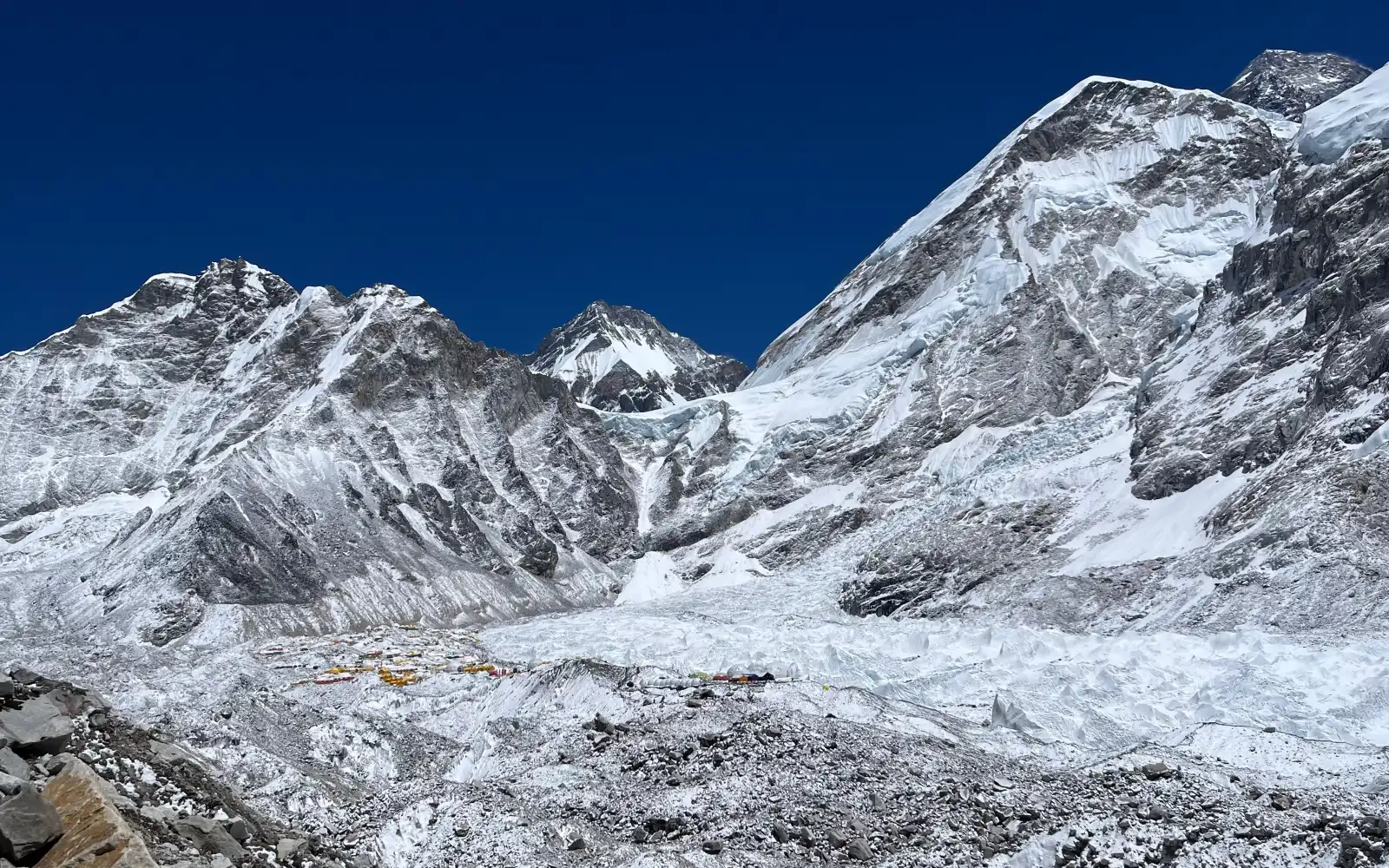
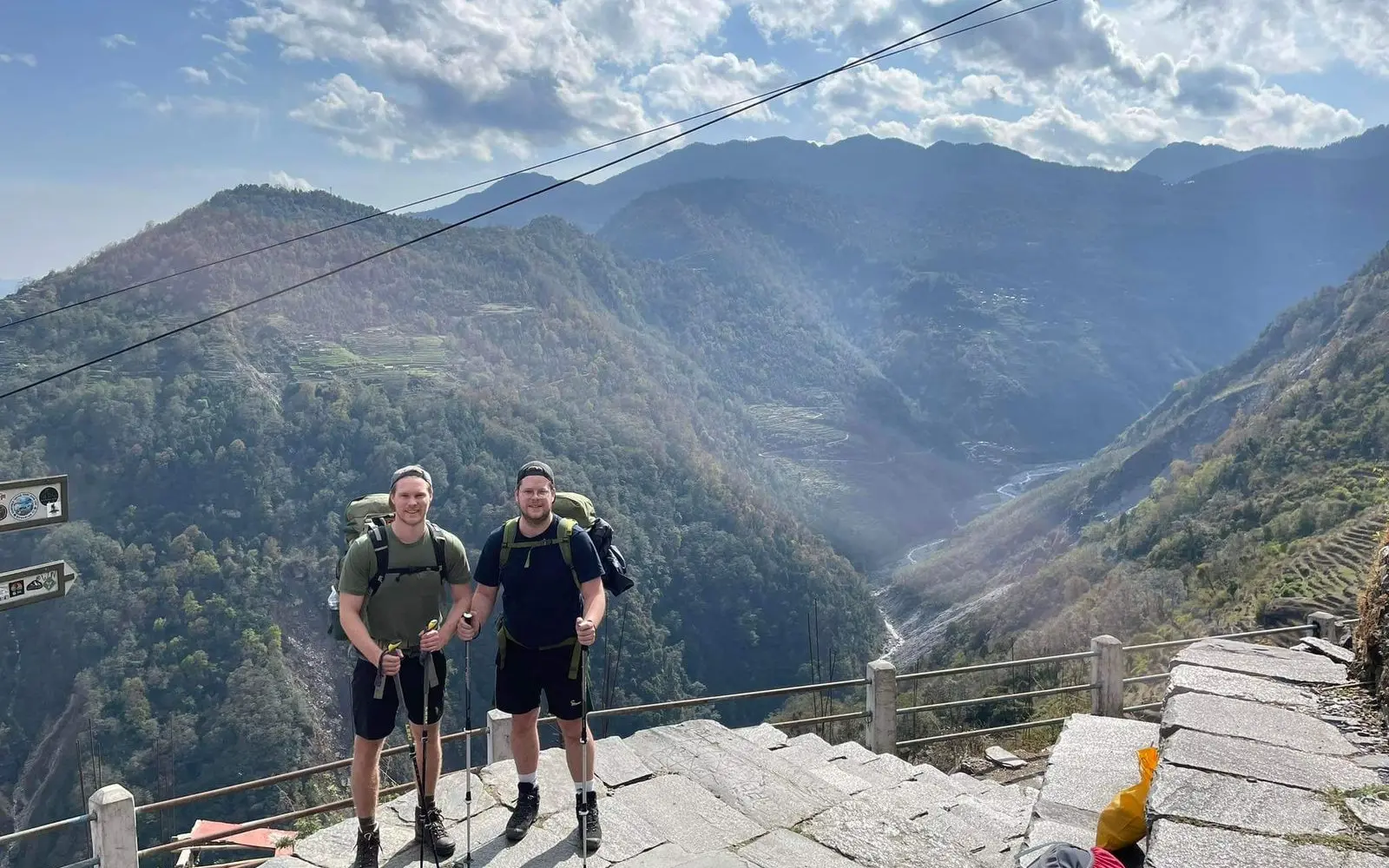
The Everest Base Camp Trek is one of the most iconic trekking adventures in the world, attracting thousands of travelers every year. Nestled in the heart of the Himalayas, this remarkable journey takes trekkers through breathtaking mountain landscapes, traditional Sherpa villages, ancient monasteries, and diverse alpine environments before reaching the legendary Everest Base Camp at 5,364 meters. For beginners dreaming of experiencing the world's highest mountain up close, this trek offers the perfect combination of adventure, culture, and natural beauty.
At Ram Himalayan Trek, we specialize in creating safe, enjoyable, and memorable Everest Base Camp trekking experiences for travelers of all experience levels. Our experienced guides, carefully planned itineraries, and personalized support help beginners confidently explore the Everest region while enjoying the spectacular scenery and unique cultural heritage of Nepal.
Highlights of the Everest Base Camp Trek
- Reach Everest Base Camp (5,364m), the gateway to Mount Everest.
- Enjoy panoramic Himalayan views, including Everest, Lhotse, Nuptse, and Ama Dablam.
- Experience authentic Sherpa culture and hospitality.
- Visit the famous Tengboche Monastery.
- Trek through Sagarmatha National Park, a UNESCO World Heritage Site.
- Witness stunning sunrise views from Kala Patthar (5,645m).
- Suitable for beginners with proper preparation and acclimatization.
Introduction to the Everest Base Camp Trek
The Everest Base Camp Trek is Nepal's most famous trekking route and a dream destination for adventure enthusiasts from around the world. The trek follows a historic path used by mountaineers attempting to summit Mount Everest and offers a unique opportunity to experience the grandeur of the Himalayas without requiring technical climbing skills. With proper planning, physical preparation, and guidance, even first-time trekkers can successfully complete this unforgettable journey.
Ram Himalayan Trek provides expertly guided Everest Base Camp adventures designed to ensure comfort, safety, and an enriching cultural experience. Our professional team helps trekkers navigate the challenges of high-altitude trekking while maximizing their enjoyment of the stunning landscapes and local traditions along the route.
Why Everest Base Camp Is a Bucket-List Adventure
Standing at the base of the world's highest mountain is a once-in-a-lifetime achievement for many travelers. The trek offers a sense of accomplishment that few adventures can match, combining physical challenge with extraordinary rewards. Every day reveals dramatic mountain vistas, suspension bridges, glacial rivers, and welcoming mountain communities.
Beyond the natural beauty, the Everest region provides insight into the rich traditions of the Sherpa people. Visitors can explore ancient monasteries, prayer wheels, colorful mani walls, and traditional villages that showcase the spiritual and cultural heritage of the Himalayas.
Reasons Trekkers Love Everest Base Camp
- Close-up views of Mount Everest.
- Unique Sherpa cultural experiences.
- Spectacular Himalayan scenery.
- Personal achievement and adventure.
- Opportunities for incredible photography.
- Well-established trekking infrastructure.
What Makes This Trek Special?
The Everest Base Camp Trek stands apart from many other trekking routes because of its combination of world-famous mountain scenery, rich cultural heritage, and accessible trekking trails. Unlike technical climbing expeditions, the trek allows ordinary travelers to experience the Everest region without specialized mountaineering skills.
Another unique feature is the gradual ascent through different ecological zones. Trekkers journey from lush forests and river valleys to rugged alpine terrain and glacial landscapes. This ever-changing environment creates a diverse and exciting trekking experience from start to finish.
Unique Features of the Trek
- Access to the world's highest mountain region.
- Non-technical trekking route.
- Diverse landscapes and ecosystems.
- Historic Sherpa settlements.
- UNESCO-listed Sagarmatha National Park.
- Memorable sunrise hike to Kala Patthar.
Where Is Everest Base Camp Located?
Everest Base Camp is located in the Khumbu region of northeastern Nepal within Sagarmatha National Park. Situated at an elevation of 5,364 meters above sea level, it serves as the primary staging point for climbers attempting to summit Mount Everest from the Nepal side. The base camp is surrounded by towering peaks, glaciers, and rugged mountain terrain that create one of the most spectacular trekking destinations on Earth.
The journey to Everest Base Camp begins with a scenic flight to Lukla, followed by several days of trekking through traditional Sherpa villages and high-altitude landscapes. Along the way, trekkers experience the unique culture, hospitality, and mountain lifestyle that define the Everest region.
Overview of the Khumbu Region
The Khumbu region is the homeland of the Sherpa people and is renowned for its breathtaking mountain scenery and deep-rooted Buddhist traditions. It contains some of the world's highest peaks, including Mount Everest, Lhotse, Cho Oyu, and Ama Dablam. The region's network of trails connects picturesque villages, monasteries, and mountain lodges, making it one of the most popular trekking destinations in the world.
Visitors to the Khumbu region can enjoy an immersive cultural experience while trekking through landscapes that range from dense rhododendron forests to dramatic glacial valleys. The combination of natural beauty and cultural significance makes the area truly exceptional.
Key Facts About the Khumbu Region
- Located within Sagarmatha National Park.
- Home to the Sherpa community.
- Contains several of the world's highest mountains.
- Features ancient Buddhist monasteries.
- Popular destination for trekking and mountaineering.
- Rich biodiversity and stunning alpine scenery.
Distance from Kathmandu
Everest Base Camp lies approximately 160 kilometers (100 miles) northeast of Kathmandu in a straight line. However, due to the mountainous terrain, trekkers cannot travel directly by road. Most journeys begin with a short flight from Kathmandu or Ramechhap to Lukla, followed by a multi-day trek through the Khumbu Valley.
The complete trekking route from Lukla to Everest Base Camp covers roughly 130 kilometers (80 miles) round trip, depending on the exact itinerary. Most trekkers spend 12 to 14 days completing the journey, allowing sufficient time for acclimatization and safe altitude gain.
Distance and Travel Facts
- Approximate straight-line distance from Kathmandu: 160 km.
- Flight from Kathmandu/Ramechhap to Lukla: 30–40 minutes.
- Trekking distance (round trip): approximately 130 km.
- Standard trek duration: 12–14 days.
- Highest point reached: Kala Patthar (5,645m).
- Best completed with proper acclimatization and professional guidance from Ram Himalayan Trek.
Why Choose the Everest Base Camp Trek?
The Everest Base Camp Trek is one of the world's most celebrated trekking adventures, offering an unforgettable journey through the heart of the Himalayas. For beginners and experienced trekkers alike, the trek combines breathtaking mountain scenery, rich cultural encounters, and the rewarding achievement of reaching the base of the world's highest peak. Every step along the trail reveals stunning landscapes, traditional villages, and spectacular views that make the journey as memorable as the destination itself.
At Ram Himalayan Trek, we believe the Everest Base Camp Trek is more than just a hiking adventure—it's a life-changing experience. Our carefully designed itineraries allow trekkers to explore the beauty of the Everest region while ensuring proper acclimatization, safety, and comfort throughout the journey.
Stunning Himalayan Views
One of the biggest reasons travelers choose the Everest Base Camp Trek is the opportunity to witness some of the world's most magnificent mountain scenery. The trail offers panoramic views of towering Himalayan giants, including Mount Everest, Lhotse, Nuptse, Ama Dablam, and Thamserku. The dramatic landscapes change daily, providing endless opportunities for photography and exploration.
From the famous viewpoint at Kala Patthar to the high-altitude valleys near Everest Base Camp, trekkers are rewarded with unforgettable vistas that showcase the beauty and grandeur of the Himalayas. These breathtaking views make every uphill climb worthwhile.
Highlights
- Spectacular views of Mount Everest.
- Stunning Himalayan sunrise and sunset scenery.
- Excellent photography opportunities.
- Panoramic mountain viewpoints.
- Diverse alpine landscapes.
Sherpa Culture and Traditions
The Everest region is home to the Sherpa community, renowned worldwide for their mountaineering expertise, hospitality, and rich cultural heritage. Throughout the trek, visitors pass through traditional Sherpa villages where they can learn about local customs, Buddhist traditions, and mountain lifestyles that have been preserved for generations.
Trekkers also encounter ancient monasteries, colorful prayer flags, mani walls, and sacred chortens that reflect the spiritual significance of the region. These cultural experiences add depth and meaning to the journey beyond the physical challenge of trekking.
Cultural Experiences
- Visit traditional Sherpa villages.
- Explore ancient Buddhist monasteries.
- Learn about local customs and traditions.
- Experience authentic mountain hospitality.
- Observe unique Himalayan lifestyles.
Unique Mountain Experiences
The Everest Base Camp Trek offers adventures that cannot be found anywhere else in the world. From flying into Lukla's famous mountain airport to standing at the base of Mount Everest, every day presents new and exciting experiences. Trekkers cross suspension bridges, hike through glacial valleys, and explore landscapes shaped by some of Earth's highest peaks.
The sense of achievement gained from reaching Everest Base Camp and climbing Kala Patthar is often described as one of the most rewarding moments of a traveler's life. These unforgettable experiences make the trek a true bucket-list adventure.
Unique Highlights
- Reach Everest Base Camp (5,364m).
- Hike to Kala Patthar (5,645m).
- Scenic mountain flight to Lukla.
- Walk through Sagarmatha National Park.
- Experience high-altitude Himalayan trekking.
Best Time to Trek to Everest Base Camp
Choosing the right season is one of the most important factors for a successful Everest Base Camp Trek. Weather conditions, visibility, trail conditions, and overall trekking experience vary throughout the year. Understanding the different trekking seasons helps beginners select the best time for their adventure.
Ram Himalayan Trek operates Everest Base Camp treks throughout the year, but certain seasons provide more favorable conditions for clear mountain views and comfortable trekking temperatures.
Spring Season (March–May)
Spring is widely considered one of the best times to trek to Everest Base Camp. During this season, temperatures are moderate, skies are generally clear, and rhododendron forests bloom with vibrant colors. The mountain views are exceptional, making spring a favorite choice for trekkers and climbers preparing for Everest expeditions.
The trails are lively and filled with fellow adventurers from around the world. Although this is a popular season, the combination of pleasant weather and spectacular scenery makes it ideal for beginners.
Advantages of Spring
- Clear mountain views.
- Comfortable daytime temperatures.
- Blooming rhododendron forests.
- Active trekking atmosphere.
- Ideal conditions for photography.
Autumn Season (September–November)
Autumn is another peak trekking season in the Everest region. Following the monsoon rains, the air becomes exceptionally clear, creating some of the best visibility of the year. Stable weather patterns and dry trails make trekking conditions highly favorable.
Many trekkers consider autumn the perfect season because of its crisp mountain air, reliable weather, and stunning Himalayan panoramas. The festive atmosphere in Nepal during this period also adds cultural value to the trekking experience.
Advantages of Autumn
- Excellent mountain visibility.
- Stable weather conditions.
- Dry and well-maintained trails.
- Comfortable trekking temperatures.
- Popular season for first-time trekkers.
Winter and Monsoon Considerations
Winter trekking from December to February offers quieter trails and beautiful snow-covered landscapes. However, temperatures can be extremely cold, particularly at higher elevations. Trekkers must be prepared with proper clothing and equipment to handle freezing conditions.
The monsoon season, typically from June to August, brings frequent rainfall, cloud cover, and slippery trails. While the region becomes lush and green, mountain views are often limited. Beginners generally find spring and autumn more suitable for their first Everest Base Camp experience.
Seasonal Considerations
- Winter offers fewer crowds and snowy scenery.
- Extremely cold temperatures at high elevations.
- Monsoon brings rain and reduced visibility.
- Trails can become slippery during wet months.
- Spring and autumn remain the most recommended seasons.
Everest Base Camp Trek Route Overview
The Everest Base Camp Trek follows a well-established route through Nepal's Khumbu region, taking trekkers from Lukla to Everest Base Camp and back. The journey gradually ascends through beautiful mountain villages, alpine forests, and glacial valleys while allowing adequate time for acclimatization.
At Ram Himalayan Trek, our itineraries are carefully planned to balance adventure and safety. By incorporating acclimatization days and manageable trekking distances, we help trekkers maximize their chances of a successful and enjoyable journey.
Classic Trek Itinerary
The classic Everest Base Camp itinerary typically takes 12 to 14 days and begins with a scenic flight to Lukla. From there, trekkers follow the Dudh Koshi River valley before ascending to Namche Bazaar, the gateway to the Everest region. The route continues through Tengboche, Dingboche, Lobuche, and Gorakshep before reaching Everest Base Camp.
After visiting the base camp and hiking to Kala Patthar for panoramic Everest views, trekkers retrace their steps back to Lukla for the return flight to Kathmandu.
Main Trekking Stages
- Kathmandu to Lukla flight.
- Lukla to Phakding.
- Namche Bazaar acclimatization.
- Tengboche and Dingboche.
- Lobuche and Gorakshep.
- Everest Base Camp and Kala Patthar.
- Return trek to Lukla.
Key Stops Along the Route
Each stop along the Everest Base Camp trail offers unique attractions and experiences. Namche Bazaar serves as the region's commercial center and an important acclimatization location. Tengboche is famous for its historic monastery and stunning mountain backdrop.
Dingboche provides another acclimatization stop before entering higher elevations, while Lobuche and Gorakshep act as gateways to Everest Base Camp. These settlements play a vital role in helping trekkers adapt to increasing altitude.
Important Locations
- Lukla (2,840 m).
- Phakding (2,600m).
- Namche Bazaar (3,440m).
- Tengboche (3,720m).
- Dingboche (4,412m).
- Lobuche (4,910m).
- Gorakshep (5,140m).
- Everest Base Camp (5,364m).
Trek Distance and Duration
The Everest Base Camp Trek covers approximately 130 kilometers (80 miles) round-trip. Daily trekking distances vary depending on the itinerary, terrain, and altitude. Most trekking days involve walking between 5 and 8 hours, with longer days near Everest Base Camp.
The complete journey generally takes 12 to 14 days, including acclimatization days at Namche Bazaar and Dingboche. This gradual pace helps reduce the risk of altitude sickness and improves the overall trekking experience.
Trek Facts
- Approximate round-trip distance: 130 km.
- Average trek duration: 12–14 days.
- Daily walking time: 5–8 hours.
- Highest point: Kala Patthar (5,645m).
- Suitable for beginners with preparation.
How Difficult Is the Everest Base Camp Trek?
Many first-time trekkers wonder whether the Everest Base Camp Trek is too difficult for beginners. While the trek does not require technical climbing skills, it is still a physically demanding high-altitude adventure. Success depends on preparation, fitness, pacing, and proper acclimatization.
Ram Himalayan Trek helps trekkers prepare for the journey with expert guidance, experienced support staff, and carefully designed itineraries that prioritize safety and comfort throughout the trek.
Physical Fitness Requirements
A moderate level of fitness is generally sufficient for the Everest Base Camp Trek. Trekkers do not need mountaineering experience, but regular walking, hiking, cardiovascular exercise, and endurance training can significantly improve performance on the trail.
Preparing several months before departure allows beginners to build stamina and confidence. Strong physical conditioning also makes the overall experience more enjoyable and less physically demanding.
Recommended Fitness Preparation
- Regular hiking or long walks.
- Cardiovascular exercises.
- Stair climbing workouts.
- Leg and core strengthening.
- Consistent endurance training.
Daily Walking Hours
Most trekking days involve walking between 5 and 8 hours, depending on the route and elevation gain. The pace is generally slow and steady, allowing trekkers to conserve energy and adapt to higher altitudes.
Rest stops are frequent, and acclimatization days provide valuable recovery time. Maintaining a comfortable pace is one of the keys to completing the trek successfully.
Typical Daily Trekking
- 5–8 hours of walking.
- Gradual altitude gain.
- Regular breaks along the route.
- Acclimatization days included.
- Flexible pace for safety and comfort.
Common Challenges for Beginners
The biggest challenge on the Everest Base Camp Trek is altitude rather than distance. As trekkers ascend above 3,000 meters, oxygen levels decrease, making physical activity more demanding. Proper acclimatization, hydration, and pacing are essential for minimizing altitude-related issues.
Other challenges include changing weather conditions, cold temperatures, and long trekking days. However, with proper preparation and professional support from Ram Himalayan Trek, most beginners complete the journey and enjoy an unforgettable Himalayan adventure.
Common Challenges
- High altitude and reduced oxygen levels.
- Cold temperatures at higher elevations.
- Physical fatigue during long trekking days.
- Variable mountain weather.
- Mental endurance and determination.
Altitude and Acclimatization Guide
The Everest Base Camp Trek takes trekkers to elevations above 5,000 meters, making altitude awareness and proper acclimatization essential for a safe and successful journey. As altitude increases, the amount of oxygen in the air decreases, causing the body to work harder during physical activity. Understanding how altitude affects the body is particularly important for beginners planning their first Himalayan trek.
At Ram Himalayan Trek, safety is our highest priority. Our Everest Base Camp itineraries include carefully planned acclimatization days and gradual altitude gains to help trekkers adapt naturally to the changing environment. Proper acclimatization significantly reduces the risk of altitude-related illnesses and improves the overall trekking experience.
Understanding Altitude Sickness
Altitude sickness, also known as Acute Mountain Sickness (AMS), occurs when the body struggles to adapt to reduced oxygen levels at higher elevations. While anyone can experience AMS regardless of age or fitness level, proper acclimatization and hydration greatly reduce the likelihood of serious complications.
The risk of altitude sickness typically increases above 2,500 meters, and symptoms may become more noticeable as trekkers approach higher settlements such as Dingboche, Lobuche, and Gorakshep. Understanding the causes and prevention methods is essential for every Everest Base Camp trekker.
Key Facts About Altitude Sickness
- Caused by reduced oxygen levels at higher elevations.
- Can affect anyone regardless of fitness level.
- Usually develops above 2,500 meters.
- Preventable through proper acclimatization.
- Early recognition is extremely important.
Symptoms to Watch For
Recognizing altitude sickness symptoms early can help prevent more serious health issues. Mild symptoms often include headaches, fatigue, dizziness, loss of appetite, nausea, and difficulty sleeping. These symptoms should never be ignored, especially at higher elevations.
If symptoms worsen or become severe, immediate action may be required, including rest, descent, or medical assistance. Experienced guides from Ram Himalayan Trek closely monitor trekkers throughout the journey to ensure their safety and well-being.
Common AMS Symptoms
- Persistent headache.
- Dizziness or lightheadedness.
- Nausea and vomiting.
- Fatigue and weakness.
- Shortness of breath.
- Difficulty sleeping.
- Loss of appetite.
Acclimatization Days Explained
Acclimatization days are scheduled rest days that allow the body to adjust to higher elevations before continuing the ascent. During the Everest Base Camp Trek, acclimatization days are typically spent in Namche Bazaar and Dingboche, where trekkers participate in short hikes to higher elevations before returning to sleep at a lower altitude.
This "climb high, sleep low" approach helps the body adapt more effectively while reducing the risk of altitude sickness. Although these days are called rest days, they play a vital role in the success and safety of the trek.
Benefits of Acclimatization Days
- Helps the body adjust to altitude.
- Reduces the risk of AMS.
- Improves trekking performance.
- Increases safety at higher elevations.
- Provides opportunities for local exploration.
Permits Required for the Everest Base Camp Trek
Every trekker visiting the Everest region must obtain specific permits before entering the trekking area. These permits help fund conservation efforts, maintain trekking infrastructure, and support local communities throughout the Khumbu region.
Ram Himalayan Trek assists all clients with obtaining the required permits, ensuring a smooth and hassle-free trekking experience. Having the proper documentation is mandatory and checked at multiple points along the route.
Sagarmatha National Park Permit
The Sagarmatha National Park Permit is required for all trekkers entering the protected national park area. Established in 1976, Sagarmatha National Park is a UNESCO World Heritage Site known for its extraordinary mountain landscapes, wildlife, and cultural heritage.
The permit contributes to environmental conservation, trail maintenance, and protection of the region's unique ecosystem. Trekkers must carry their permit throughout the journey and present it at designated checkpoints.
Sagarmatha National Park Permit Facts
- Required for all Everest region trekkers.
- Supports conservation efforts.
- Valid for entry into the national park.
- Checked at park entry points.
- Helps maintain trekking infrastructure.
Khumbu Pasang Lhamu Rural Municipality Permit
In addition to the national park permit, trekkers must obtain the Khumbu Pasang Lhamu Rural Municipality Permit. This local permit was introduced to support development projects, tourism management, and community services within the Everest region.
The permit helps improve local facilities and contributes directly to the welfare of the communities that host trekkers throughout the trek. It has become a standard requirement for all visitors entering the Khumbu area.
Municipality Permit Highlights
- Mandatory for all trekkers.
- Supports local development projects.
- Helps improve tourism services.
- Collected at regional checkpoints.
- Contributes to community welfare.
Permit Costs and Procedures
Permit fees may vary slightly depending on government regulations and nationality. Most trekkers obtain their permits through a registered trekking company, which simplifies the application process and ensures all paperwork is completed correctly.
At Ram Himalayan Trek, permit arrangements are typically included as part of our trekking packages, allowing clients to focus on preparing for their adventure while we handle the administrative requirements.
Permit Information
- Two permits are generally required.
- Fees are subject to government updates.
- Permits must be carried throughout the trek.
- Trekking agencies can arrange permits.
- Permit checks occur along the trail.
What to Pack for the Everest Base Camp Trek
Packing appropriately is one of the most important aspects of preparing for the Everest Base Camp Trek. Weather conditions in the Himalayas can change rapidly, and trekkers may experience warm sunny days, freezing temperatures, wind, and occasional snowfall during a single journey.
Ram Himalayan Trek recommends packing lightweight but reliable equipment that balances comfort, warmth, and practicality. Choosing the right gear can significantly enhance both safety and enjoyment on the trail.
Essential Clothing
Layering is the most effective way to stay comfortable throughout the trek. Trekkers should bring moisture-wicking base layers, insulating mid-layers, and waterproof outer layers to adapt to changing temperatures and weather conditions.
Warm clothing becomes increasingly important at higher elevations where temperatures can drop well below freezing, particularly during mornings and evenings.
Essential Clothing Items
- Thermal base layers.
- Fleece or insulated jacket.
- Waterproof jacket and pants.
- Trekking shirts and pants.
- Warm gloves and hat.
- Hiking socks.
- Down jacket for high altitudes.
Trekking Gear Checklist
In addition to clothing, trekkers need reliable equipment for comfort and safety. Quality trekking gear can make long hiking days more manageable while reducing physical strain and improving overall performance.
Properly fitted gear should be tested before departure to ensure comfort during extended periods of use on mountain trails.
Essential Trekking Gear
- Comfortable trekking boots.
- Trekking poles.
- Daypack.
- Duffel bag.
- Sleeping bag.
- Water bottles or hydration system.
- Sunglasses with UV protection.
- Headlamp with spare batteries.
Health and Safety Items
Health and safety supplies are crucial when trekking in remote mountain environments. Basic medical items and personal medications should always be carried, even when traveling with experienced guides.
Maintaining hydration, protecting against sun exposure, and addressing minor health issues quickly can help prevent larger problems during the trek.
Health and Safety Essentials
- Personal medications.
- First-aid kit.
- Sunscreen and lip balm.
- Water purification tablets.
- Hand sanitizer.
- Wet wipes.
- Blister treatment supplies.
- Electrolyte supplements.
Accommodation and Food on the Trek
The Everest Base Camp Trek offers a comfortable teahouse trekking experience, allowing trekkers to stay in local lodges and enjoy freshly prepared meals throughout the journey. While facilities become more basic at higher elevations, the hospitality of local hosts remains a memorable part of the adventure.
Ram Himalayan Trek works with trusted lodges and teahouses along the route to provide comfortable accommodations and nutritious meals that help trekkers maintain energy during the journey.
Tea Houses and Lodges
Teahouses are family-operated mountain lodges that provide accommodation, meals, and a welcoming environment for trekkers. Rooms are generally simple but comfortable, typically featuring twin beds, blankets, and shared bathroom facilities.
As altitude increases, accommodation becomes more basic due to the logistical challenges of transporting supplies into remote mountain regions. Despite this, most teahouses offer warm dining areas where trekkers can relax and socialize after a day on the trail.
Accommodation Features
- Comfortable twin-sharing rooms.
- Warm communal dining areas.
- Family-operated lodges.
- Basic but clean facilities.
- Available throughout the trekking route.
Popular Meals on the Trail
Teahouses offer a variety of meals designed to provide energy and nutrition for trekking. Traditional Nepali dishes, international favorites, soups, and hot beverages are commonly available throughout the route.
One of the most recommended meals is Dal Bhat, a traditional Nepali dish consisting of rice, lentil soup, vegetables, and pickles. Its nutritional value and unlimited refills make it a favorite among trekkers.
Common Trekking Meals
- Dal Bhat.
- Fried rice.
- Noodles and pasta.
- Vegetable soups.
- Pancakes and porridge.
- Eggs and toast.
- Tea, coffee, and hot chocolate.
Availability of Wi-Fi, Charging, and Hot Showers
Modern trekking infrastructure has improved significantly in the Everest region, and many teahouses now offer Wi-Fi, charging stations, and hot shower facilities. However, availability and quality may vary depending on altitude and weather conditions.
These services usually require an additional fee, particularly at higher elevations where electricity and fuel resources are limited. Trekkers should be prepared for occasional connectivity interruptions and carry backup power solutions when possible.
Facility Availability
- Wi-Fi available in many teahouses.
- Charging stations at most major stops.
- Hot showers offered for an extra fee.
- Services become limited at higher altitudes.
- Portable power banks are recommended.
Cost of the Everest Base Camp Trek
The cost of the Everest Base Camp Trek can vary significantly depending on factors such as the trekking season, level of service, transportation choices, accommodation preferences, and whether you hire guides and porters. While the trek is considered one of the most accessible Himalayan adventures, proper budgeting is essential for a smooth and enjoyable experience.
At Ram Himalayan Trek, we offer transparent pricing and well-organized trekking packages that cover the essential services required for a safe and memorable Everest Base Camp journey. Understanding the main expenses helps trekkers plan their adventure with confidence.
Permit Fees
All trekkers entering the Everest region are required to obtain official permits. These permits support conservation projects, local community development, and the maintenance of trekking infrastructure throughout the Khumbu region.
Permit fees are generally fixed by local authorities and government agencies. Trekkers should ensure they have the correct permits before starting their trek to avoid delays or complications along the route.
Permit Cost Considerations
- Sagarmatha National Park Permit.
- Khumbu Pasang Lhamu Municipality Permit.
- Mandatory for all trekkers.
- Permit fees may change periodically.
- Usually arranged by trekking agencies.
Transportation Costs
Transportation is one of the most significant expenses of the Everest Base Camp Trek. Most trekkers travel by air from Kathmandu or Ramechhap to Lukla, the gateway to the Everest region. Flight costs vary depending on the season, availability, and airline schedules.
Additional transportation expenses may include airport transfers, transportation to Ramechhap during peak seasons, and possible flight rescheduling costs due to weather-related delays.
Transportation Expenses
- Kathmandu to Lukla flights.
- Ramechhap to Lukla flights.
- Airport transfers.
- Domestic transportation services.
- Potential weather-related changes.
Guide and Porter Expenses
Hiring a professional guide and porter adds to the overall trekking cost but significantly enhances safety and comfort. Guides provide navigation, local knowledge, and emergency assistance, while porters help carry heavy luggage, allowing trekkers to focus on enjoying the journey.
Many beginners find that hiring experienced trekking staff improves their overall experience and increases the likelihood of successfully reaching Everest Base Camp.
Guide and Porter Costs
- Licensed trekking guide fees.
- Porter service charges.
- Guide insurance and wages.
- Porter accommodation and meals.
- Optional tipping expenses.
Daily Budget Estimates
Beyond major expenses, trekkers should budget for personal spending during the trek. Costs generally increase with altitude because supplies must be transported to remote mountain villages.
Daily expenses may include meals, snacks, hot drinks, charging electronic devices, Wi-Fi access, hot showers, and personal purchases along the trail.
Daily Budget Items
- Meals and beverages.
- Snacks and bottled water.
- Wi-Fi and charging fees.
- Hot shower facilities.
- Souvenirs and personal purchases.
- Emergency contingency funds.
Do You Need a Guide or Porter?
One of the most common questions beginners ask is whether hiring a guide or porter is necessary for the Everest Base Camp Trek. While some trekkers prefer independent travel, many find that professional support greatly improves safety, convenience, and overall enjoyment.
At Ram Himalayan Trek, we strongly recommend hiring experienced local guides and porters, especially for first-time trekkers who may be unfamiliar with high-altitude trekking conditions and mountain logistics.
Benefits of Hiring a Guide
A licensed trekking guide serves as your local expert, providing valuable information about the route, culture, weather conditions, and mountain environment. Guides also monitor trekkers for signs of altitude sickness and can make important decisions in case of emergencies.
Having a knowledgeable guide allows trekkers to focus on enjoying the scenery while gaining deeper insights into the history, traditions, and culture of the Everest region.
Guide Benefits
- Professional navigation assistance.
- Altitude sickness monitoring.
- Local cultural knowledge.
- Emergency support.
- Improved safety and confidence.
Advantages of a Porter
Porters play an important role in making the trek more comfortable by carrying heavy equipment and luggage. This reduces physical strain and allows trekkers to maintain better energy levels throughout the journey.
By carrying only a lightweight daypack, trekkers can focus on acclimatization and enjoy the trek without excessive fatigue.
Porter Advantages
- Reduced physical workload.
- More comfortable trekking experience.
- Better energy conservation.
- Increased trekking enjoyment.
- Support for local employment.
Independent Trekking vs Guided Trekking
Independent trekking offers flexibility and may appeal to experienced hikers who prefer complete freedom on the trail. However, navigating high-altitude environments without local support can present additional challenges, especially during changing weather conditions or health emergencies.
Guided trekking provides structure, safety, logistical support, and local expertise. For most beginners, a guided Everest Base Camp Trek with Ram Himalayan Trek offers the best balance of adventure, comfort, and peace of mind.
Comparison Overview
- Independent trekking offers flexibility.
- Guided trekking provides enhanced safety.
- Guides assist with logistics and permits.
- Local knowledge enriches the experience.
- Recommended for first-time trekkers.
Transportation to the Trailhead
Reaching the starting point of the Everest Base Camp Trek is an adventure in itself. Due to the remote location of the Everest region, most trekkers travel by air to Lukla before beginning their journey on foot.
Ram Himalayan Trek assists trekkers with transportation arrangements to ensure a smooth and efficient start to the expedition. Understanding available travel options helps trekkers prepare for their Himalayan adventure.
Kathmandu to Lukla Flights
The most popular way to reach the Everest region is by taking a scenic mountain flight to Lukla. These flights provide incredible aerial views of the Himalayas and significantly reduce travel time compared to alternative routes.
During peak trekking seasons, flights often operate from Ramechhap Airport instead of Kathmandu due to air traffic management. Trekkers should allow flexibility in their schedules because mountain weather can occasionally affect flight operations.
Flight Highlights
- Scenic Himalayan mountain views.
- Approximately 30–40-minute flight duration.
- Fastest route to the Everest region.
- Seasonal departures from Ramechhap.
- Weather-dependent operations.
Alternative Routes to Everest Base Camp
For trekkers seeking a longer and more immersive experience, alternative routes to Everest Base Camp are available. Some travelers begin their trek from lower-altitude locations, gradually walking toward Lukla and the main Everest trail.
These extended routes provide additional cultural experiences and acclimatization opportunities while avoiding domestic flights altogether.
Alternative Options
- Overland routes from lower regions.
- Longer trekking itineraries.
- Additional acclimatization benefits.
- Reduced dependence on flights.
- Unique cultural experiences.
Safety Tips for Beginners
Safety should always be the top priority when undertaking the Everest Base Camp Trek. While the route is considered achievable for beginners, high altitude, unpredictable weather, and remote mountain conditions require careful preparation and responsible decision-making.
Ram Himalayan Trek follows strict safety protocols and employs experienced guides who are trained to manage altitude-related issues and mountain emergencies. Proper planning greatly increases the chances of a successful and enjoyable trek.
Trekking Responsibly at High Altitude
The key to high-altitude safety is maintaining a gradual pace and allowing the body sufficient time to acclimatize. Trekkers should avoid rushing, stay hydrated, eat nutritious meals, and listen carefully to their guide's recommendations.
Understanding personal limits and reporting any unusual symptoms early can prevent minor issues from developing into serious health concerns.
High-Altitude Safety Tips
- Walk slowly and steadily.
- Stay hydrated throughout the trek.
- Follow acclimatization schedules.
- Eat balanced and nutritious meals.
- Inform guides about symptoms immediately.
Weather Considerations
Weather conditions in the Himalayas can change rapidly, even during the best trekking seasons. Bright sunshine can quickly give way to clouds, wind, snow, or cold temperatures at higher elevations.
Checking weather forecasts, carrying appropriate clothing, and maintaining flexibility within the itinerary are essential for dealing with mountain weather safely.
Weather Preparation Tips
- Dress using a layering system.
- Carry waterproof clothing.
- Prepare for temperature changes.
- Protect against sun exposure.
- Follow local weather updates.
Emergency Evacuation Information
Although serious emergencies are relatively uncommon, trekkers should understand available evacuation procedures before beginning the trek. Helicopter evacuation services operate in the Everest region and can be used when medically necessary.
Comprehensive travel insurance that includes high-altitude trekking and helicopter rescue coverage is strongly recommended. At Ram Himalayan Trek, our guides are trained to coordinate emergency assistance whenever required.
Emergency Preparedness
- Purchase comprehensive travel insurance.
- Include helicopter rescue coverage.
- Carry emergency contact information.
- Follow guide instructions during emergencies.
- Report health concerns immediately.
Top Highlights of the Everest Base Camp Trek
The Everest Base Camp Trek is filled with unforgettable landmarks, breathtaking scenery, and unique cultural experiences that make it one of the world's most iconic trekking adventures. From vibrant Sherpa villages to panoramic mountain viewpoints, every stage of the journey offers something remarkable for trekkers to enjoy.
At Ram Himalayan Trek, we carefully design our itineraries to ensure trekkers experience the very best highlights of the Everest region. These famous locations not only showcase the natural beauty of the Himalayas but also provide valuable insights into the culture and traditions of the local communities.
Namche Bazaar
Namche Bazaar is often referred to as the gateway to the Everest region. Situated at an altitude of 3,440 meters, this vibrant Sherpa town serves as the commercial and cultural center of the Khumbu region. Trekkers typically spend an acclimatization day here, allowing time to adjust to the increasing altitude while exploring the town's unique attractions.
The bustling marketplace, mountain cafes, trekking shops, and panoramic viewpoints make Namche Bazaar one of the most memorable stops on the Everest Base Camp route. Visitors can enjoy spectacular views of Everest and neighboring peaks while learning about the region's rich history.
Highlights of Namche Bazaar
- Main trading hub of the Khumbu region.
- Important acclimatization stop.
- Stunning mountain viewpoints.
- Sherpa museums and cultural centers.
- Cafes, bakeries, and trekking shops.
Tengboche Monastery
Tengboche Monastery is the largest and most significant Buddhist monastery in the Everest region. Surrounded by towering Himalayan peaks, it offers a peaceful and spiritual atmosphere that leaves a lasting impression on visitors.
The monastery plays an important role in Sherpa culture and serves as a center for religious ceremonies and community gatherings. Many trekkers consider a visit to Tengboche one of the cultural highlights of the Everest Base Camp Trek.
Highlights of Tengboche
- The largest monastery in the Everest region.
- Rich Buddhist heritage and traditions.
- Spectacular views of Ama Dablam.
- Peaceful mountain setting.
- Opportunity to witness Buddhist ceremonies.
Kala Patthar Viewpoint
Kala Patthar is widely regarded as the best viewpoint in the Everest region. Rising to an elevation of 5,645 meters, it provides unparalleled panoramic views of Mount Everest and the surrounding Himalayan giants.
Most trekkers hike to Kala Patthar early in the morning to witness a breathtaking sunrise over Everest. The dramatic scenery and sense of accomplishment make this viewpoint one of the most rewarding moments of the entire trek.
Highlights of Kala Patthar
- Best viewpoint for Mount Everest.
- Highest point reached on the trek.
- Incredible sunrise photography opportunities.
- Panoramic Himalayan mountain views.
- Unforgettable trekking achievement.
Everest Base Camp
Reaching Everest Base Camp is the ultimate goal of the trek and a dream achievement for adventurers worldwide. Located at 5,364 meters, the base camp serves as the staging area for climbers attempting to summit Mount Everest.
Standing at the foot of the world's highest mountain is a truly inspiring experience. The surrounding glaciers, ice formations, and towering peaks create an atmosphere unlike any other trekking destination on Earth.
Highlights of Everest Base Camp
- Iconic destination for trekkers.
- Located at 5,364 meters.
- Close-up views of the Khumbu Glacier.
- Historic mountaineering location.
- Lifetime personal achievement.
Responsible and Sustainable Trekking Practices
Sustainable tourism plays a vital role in protecting the fragile Himalayan environment and preserving the cultural heritage of the Everest region. Responsible trekking helps ensure that future generations can continue to enjoy the beauty and uniqueness of this remarkable destination.
At Ram Himalayan Trek, we are committed to promoting environmentally friendly trekking practices and supporting local communities throughout the Khumbu region. We encourage all trekkers to travel responsibly and minimize their environmental impact.
Leave No Trace Principles
The Leave No Trace philosophy encourages trekkers to respect nature by minimizing waste and preserving natural environments. Every visitor has a responsibility to help keep the Everest region clean and protected.
Simple actions such as disposing of waste properly, staying on designated trails, and respecting wildlife can make a significant difference in maintaining the area's ecological balance.
Leave No Trace Guidelines
- Carry out all non-biodegradable waste.
- Stay on marked trekking routes.
- Avoid disturbing wildlife.
- Respect local customs and traditions.
- Leave natural and cultural sites untouched.
Supporting Local Communities
Tourism provides an important source of income for families living in the Everest region. Choosing local services, accommodations, and guides helps support the economic well-being of mountain communities.
By trekking with Ram Himalayan Trek and utilizing locally owned teahouses, trekkers contribute directly to community development and sustainable tourism initiatives.
Ways to Support Local Communities
- Hire local guides and porters.
- Stay in locally owned lodges.
- Purchase locally made products.
- Respect local traditions and culture.
- Contribute to community-based tourism.
Reducing Plastic Waste
Plastic waste has become a growing concern in many trekking regions, including the Himalayas. Reducing single-use plastics helps protect mountain ecosystems and decreases the burden on local waste management systems.
Trekkers can make a positive impact by carrying reusable water bottles, water purification systems, and eco-friendly alternatives throughout their journey.
Plastic Reduction Tips
- Use reusable water bottles.
- Avoid single-use plastic products.
- Carry water purification tablets.
- Use reusable shopping bags.
- Dispose of waste responsibly.
Sample Everest Base Camp Trek Itinerary (12–14 Days)
A well-planned itinerary is essential for a safe and enjoyable Everest Base Camp Trek. Proper acclimatization and gradual altitude gain allow trekkers to adapt effectively while maximizing their chances of reaching Everest Base Camp successfully.
Ram Himalayan Trek follows carefully designed itineraries that balance adventure, safety, and cultural exploration throughout the journey.
Day-by-Day Breakdown
A standard Everest Base Camp Trek itinerary typically begins with a flight to Lukla followed by a gradual ascent through the Khumbu Valley. The route includes overnight stays in picturesque villages and strategic acclimatization stops before reaching Everest Base Camp.
After visiting Everest Base Camp and Kala Patthar, trekkers return along the same trail to Lukla before flying back to Kathmandu.
Sample Trek Overview
- Day 1: Arrival in Kathmandu.
- Day 2: Flight to Lukla and trek to Phakding.
- Day 3: Trek to Namche Bazaar.
- Day 4: Acclimatization in Namche.
- Day 5: Trek to Tengboche.
- Day 6: Trek to Dingboche.
- Day 7: Acclimatization in Dingboche.
- Day 8: Trek to Lobuche.
- Day 9: Everest Base Camp and Gorakshep.
- Day 10: Kala Patthar and trek to Pheriche.
- Day 11: Trek to Namche Bazaar.
- Day 12: Trek to Lukla.
- Day 13: Fly to Kathmandu.
- Day 14: Departure.
Acclimatization Stops
Acclimatization days are critical for reducing the risk of altitude sickness and ensuring a safer trekking experience. The most common acclimatization stops are Namche Bazaar and Dingboche, where trekkers spend additional nights before continuing to higher elevations.
These rest days often include short hikes to nearby viewpoints that help the body adjust more effectively to reduced oxygen levels.
Key Acclimatization Locations
- Namche Bazaar (3,440m).
- Dingboche (4,412m).
- Short acclimatization hikes.
- Increased safety at high altitude.
- Improved trekking performance.
Frequently Asked Questions (FAQs)
Can Beginners Trek to Everest Base Camp?
Yes, beginners can complete the Everest Base Camp Trek with proper preparation and determination. The route does not require technical climbing skills, making it accessible to people with moderate fitness levels.
A gradual itinerary, professional guidance, and proper acclimatization significantly improve the chances of success for first-time trekkers.
Beginner-Friendly Facts
- No technical climbing required.
- Suitable for motivated beginners.
- Professional guidance recommended.
- Proper acclimatization is essential.
- Preparation improves success rates.
How Fit Do I Need to Be?
Trekkers should have a reasonable level of cardiovascular fitness and endurance before attempting the trek. Regular walking, hiking, running, cycling, or gym training can help prepare the body for long trekking days.
While elite athletic ability is not required, consistent fitness training before the trip can make the experience more enjoyable and less physically demanding.
Fitness Recommendations
- Regular aerobic exercise.
- Hiking practice before departure.
- Leg and core strengthening.
- Endurance-focused workouts.
- Gradual fitness progression.
Is Travel Insurance Necessary?
Travel insurance is strongly recommended for anyone undertaking the Everest Base Camp Trek. High-altitude trekking presents unique risks, including weather-related delays and potential medical emergencies.
Comprehensive insurance should include coverage for trekking activities, medical treatment, and emergency helicopter evacuation from high-altitude locations.
Insurance Coverage Suggestions
- Emergency medical treatment.
- Helicopter rescue coverage.
- Trip cancellation protection.
- Flight delay coverage.
- High-altitude trekking inclusion.
What Is the Success Rate?
The majority of trekkers who follow proper acclimatization schedules and trek responsibly successfully reach Everest Base Camp. Success rates are generally high among those who maintain realistic expectations and prioritize safety.
Factors such as fitness, weather conditions, altitude adaptation, and experienced guidance can all influence trekking outcomes.
Factors Affecting Success
- Physical preparation.
- Proper acclimatization.
- Weather conditions.
- Trekking pace.
- Professional support and guidance.
Final Thoughts
The Everest Base Camp Trek is much more than a mountain adventure. It is a journey through spectacular Himalayan landscapes, vibrant Sherpa culture, and some of the most inspiring scenery on Earth. For many travelers, reaching Everest Base Camp represents a lifelong dream and a personal achievement that remains unforgettable.
At Ram Himalayan Trek, we are dedicated to helping trekkers experience this incredible adventure safely and comfortably. Our experienced team provides the support, expertise, and local knowledge needed to make your Everest journey truly memorable.
Is Everest Base Camp Worth It?
For those seeking adventure, natural beauty, and cultural discovery, the answer is a resounding yes. The trek offers experiences that few destinations in the world can match, from standing beneath Mount Everest to witnessing breathtaking Himalayan sunrises.
The physical challenge is rewarded by extraordinary scenery, meaningful cultural encounters, and a deep sense of accomplishment that stays with trekkers long after the journey ends.
Reasons It's Worth It
- World-famous trekking destination.
- Incredible Himalayan scenery.
- Rich Sherpa cultural experiences.
- Personal sense of achievement.
- Lifetime memories and adventure.
Tips for a Successful First Trek
Preparation is the key to a successful Everest Base Camp experience. Training beforehand, packing appropriately, following acclimatization guidelines, and maintaining a positive attitude all contribute to a safer and more enjoyable journey.
Choosing an experienced trekking company such as Ram Himalayan Trek ensures professional support from arrival in Nepal until the completion of your adventure.
Success Tips
- Train regularly before the trek.
- Pack suitable trekking gear.
- Stay hydrated at all times.
- Follow the guide instructions carefully.
- Respect altitude and acclimatization schedules.
- Maintain a positive mindset throughout the journey.